jason@hrcstone.com
+8613338485850
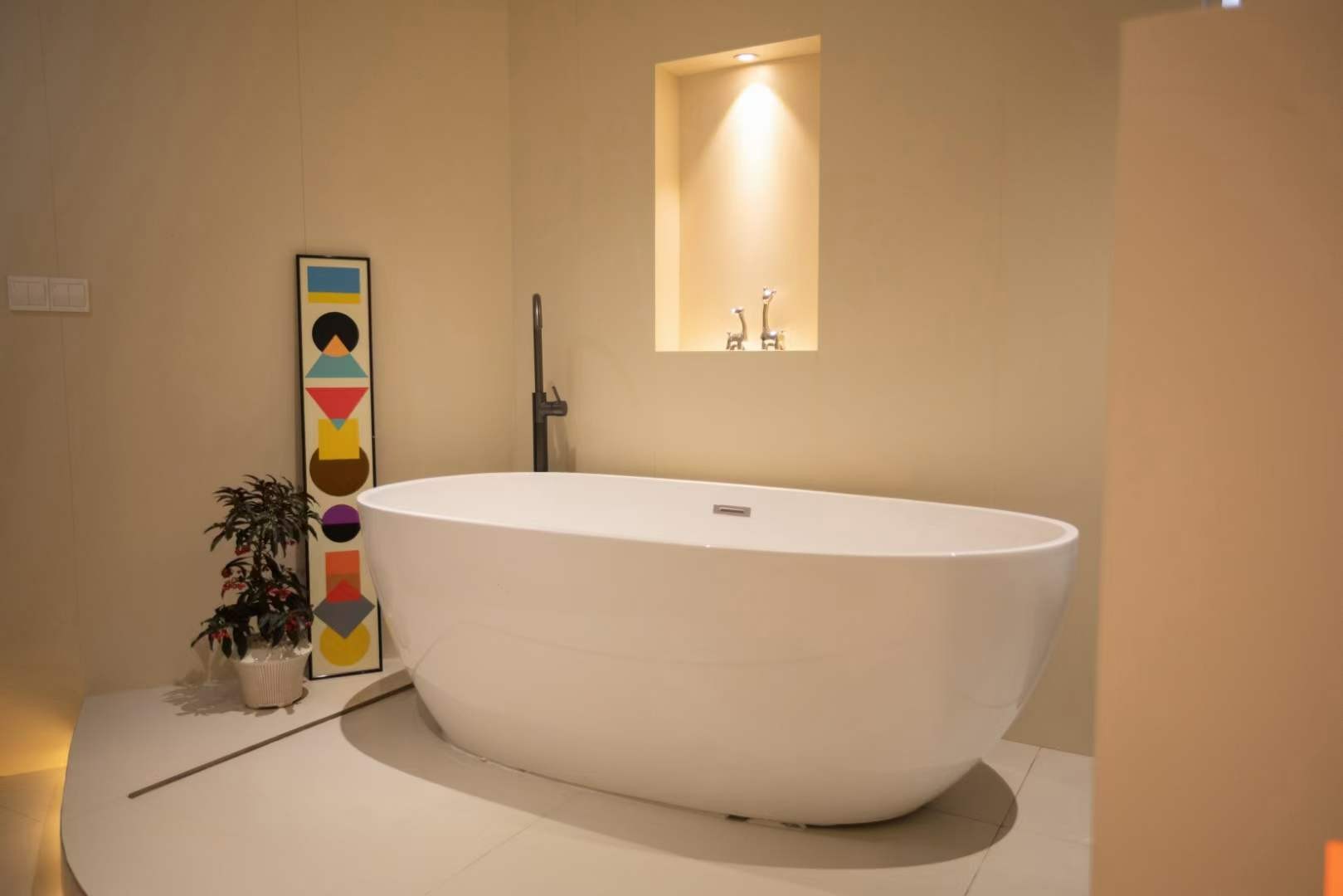
In the realm of modern bathroom design, the bathtub remains a focal point of relaxation and personal indulgence. While many materials vie for attention, ceramic bathtubs offer a compelling blend of timeless appeal, practical benefits, and cost-effectiveness. This comprehensive guide is designed for homeowners, interior designers, architects, and contractors seeking to understand the advantages and considerations of ceramic bathtubs. We address the core search intents for a durable, aesthetically versatile, and budget-friendly bathing solution, exploring ceramic's unique properties, design options, installation nuances, and maintenance requirements. Whether you're renovating a master suite or designing a new build, this guide provides valuable insights into why ceramic bathtubs are a enduring choice for contemporary bathrooms, covering "affordable bathroom bathtubs," "durable ceramic tub options," "easy-to-clean bathtubs for families," and "modern bathroom design with ceramic tubs."
Ceramic bathtubs, often referred to as porcelain or fireclay tubs, are crafted from a blend of clay, feldspar, and other natural minerals that are fired at extremely high temperatures. This process creates a remarkably dense, hard, and non-porous material that is ideal for bathroom fixtures. The resulting product offers a smooth, glossy surface that is both aesthetically pleasing and highly functional, standing up well to the daily demands of bathroom use.
Material Type: Ceramic (often fireclay or porcelain enamel over cast iron/steel).
Origin: Manufacturing occurs globally, with significant production in North America, Europe, and Asia.
Geological Composition (Approximate): Primarily clay minerals (kaolinite, illite), feldspar, silica (quartz), and other fluxing agents. The enamel coating is typically a glass-like layer fused to the base.
Hardness: The ceramic enamel surface is quite hard, offering good resistance to scratches, although it can be susceptible to chipping if impacted forcefully.
Density: Ceramic is a dense material, contributing to its durability and substantial feel.
Water Absorption: The surface of a ceramic bathtub is virtually non-porous (less than 0.3% water absorption for the glaze), making it highly resistant to staining and moisture penetration.
Ceramic bathtubs come in a variety of styles to suit diverse bathroom aesthetics and installation requirements.
Freestanding Bathtubs: These tubs are a popular choice for modern and classic bathrooms, offering a sculptural element that can stand alone as a centerpiece. They are available in various shapes, including classic claw-foot designs, sleek modern ovals, and rectangular forms.
Alcove Bathtubs: Designed to fit within a three-walled recess, these are the most common type for standard bathrooms. They often feature an integrated tile flange to prevent water from seeping behind the walls.
Drop-In Bathtubs: These tubs are designed to be installed into a built-up deck or surround, with the rim resting on the finished surface. They offer flexibility in surrounding material choices, such as tile, stone, or wood.
Undermount Bathtubs: Similar to drop-in tubs, but installed beneath the countertop or deck, creating a seamless look with no visible rim.
Corner Bathtubs: Space-saving options designed to fit into a corner, often triangular or quarter-round in shape.
Ceramic bathtubs are available in a wide range of sizes to accommodate different bathroom footprints and user preferences.
Standard Lengths: Typically range from 55 inches (approx. 140 cm) for smaller tubs to 72 inches (approx. 183 cm) for larger soaking tubs.
Standard Widths: Commonly range from 28 inches (approx. 71 cm) to 36 inches (approx. 91 cm).
Standard Depths: Interior depths usually vary from 14 inches (approx. 36 cm) to 20 inches (approx. 51 cm) or more for deep soaking tubs.
Specialty Sizes: Larger or smaller custom dimensions may be available depending on the manufacturer.
The primary finish for ceramic bathtubs is a high-gloss enamel, known for its smooth, reflective quality.
High-Gloss Enamel: This is the standard finish for ceramic tubs. It provides a bright, clean appearance, is easy to clean, and offers good resistance to staining and common bathroom chemicals.
Matte Finishes: Some manufacturers offer ceramic tubs with matte or satin finishes, providing a softer, more contemporary look. These finishes may require slightly different cleaning approaches to avoid dulling the surface over time.
Color Options: While white is the most common color, ceramic tubs are available in a range of standard colors (e.g., biscuit, bone, almond) and sometimes custom colors to match specific design palettes.
Ceramic bathtubs are widely available through various channels.
Stock Status: Ceramic bathtubs are generally readily available from major plumbing suppliers, home improvement stores, and online retailers. Standard models are often kept in stock for immediate purchase.
Minimum Order Quantity (MOQ): Typically, there is no MOQ for individual bathtub purchases for residential use. Commercial projects may involve different considerations.
Primary Availability Locations: Available globally through a vast network of distributors, retailers, and online platforms.
Ceramic bathtubs are packaged to ensure safe transport and handling.
Packaging: Tubs are typically encased in protective materials such as foam, cardboard, or plastic wrapping. Freestanding tubs are often placed in wooden crates or sturdy cardboard enclosures to prevent damage during shipping.
Handling: Due to their weight and fragility (especially the enamel), careful handling using appropriate lifting equipment is necessary.
Shipping ceramic bathtubs involves standard freight procedures.
Primary Shipping Methods: Most common methods include LTL (Less Than Truckload) freight for standard shipments and potentially dedicated freight for very large or multiple unit orders.
Transit Time: Delivery times vary based on location and shipping method, typically ranging from a few days for local deliveries to one to two weeks for longer distances.
Shipping Costs: Costs depend on the tub's weight, dimensions, destination, and shipping speed. Many retailers offer free shipping on orders above a certain value.
Standard payment methods are accepted for purchasing ceramic bathtubs.
Accepted Payment Methods: Retailers typically accept major credit cards (Visa, MasterCard, Amex), debit cards, checks, bank transfers, and sometimes financing options.
Payment Terms: For direct purchases, payment is usually made in full at the time of order. For large commercial orders, terms may involve a deposit and progress payments.
Ceramic bathtubs are versatile fixtures suitable for a wide range of bathroom designs.
Fabrication Forms:
Bathtubs: The primary form is a standalone bathtub for bathing and soaking.
Integral Sinks: Some ceramic vanity tops feature integrated sinks, offering a seamless look.
Installation Advice:
Substrate Preparation: Ensure the subfloor is level, stable, and capable of supporting the weight of the filled tub. For alcove tubs, walls should be properly prepared and waterproofed.
Support: Alcove tubs often require a mortar bed for stable support. Freestanding tubs need a level floor, and sometimes specialized feet or bases.
Plumbing: Proper connection to drainage and water supply lines is crucial. Ensure all connections are watertight. An overflow drain is standard.
Sealing: For alcove and drop-in tubs, caulking around the edges where the tub meets the wall or deck is essential to prevent water seepage.
Professional Installation: While some basic installations (like replacing an old tub in an alcove) can be DIY, professional installation is recommended for freestanding tubs, complex plumbing, or ensuring proper support and sealing to avoid future issues.
Popular Design Trends:
Ceramic bathtubs fit seamlessly into various design trends.
Modern Minimalist: Sleek, freestanding ceramic tubs with clean lines complement minimalist bathrooms, emphasizing simplicity and functionality.
Classic & Traditional: Claw-foot ceramic tubs evoke a vintage charm, perfect for traditional or farmhouse-style bathrooms.
Budget-Friendly Luxury: Ceramic offers a way to achieve a high-end look and feel without the premium cost associated with natural stone or high-end acrylics.
Family-Friendly: The non-porous, easy-to-clean surface makes ceramic a practical choice for family bathrooms where durability and hygiene are priorities.
Maintenance & Care:
Daily Cleaning: Wipe the tub dry after each use with a soft cloth to prevent water spots and soap scum buildup. For regular cleaning, use a soft cloth or sponge with a mild, non-abrasive liquid cleaner or a paste of baking soda and water.
Stain Removal: Most common bathroom stains can be removed with non-abrasive cleaners. For tougher stains, a paste of baking soda and water or a specialized ceramic cleaner can be effective. Avoid abrasive powders or scouring pads that can scratch the enamel.
Scratch Prevention: Use non-abrasive cleaning tools. Be mindful of dropping heavy or sharp objects into the tub, as this can chip or scratch the enamel.
Chip Repair: Minor chips can sometimes be repaired using specialized enamel repair kits, but significant damage may require professional refinishing or tub replacement.
| Feature | Ceramic Bathtub | Cast Iron Bathtub | Acrylic Bathtub | Solid Surface Bathtub |
|---|---|---|---|---|
| Material | Ceramic/Porcelain | Cast Iron (enameled) | Acrylic/Fiberglass | Resin/Minerals |
| Aesthetics | Smooth, glossy, classic | Classic, durable finish | Wide variety, modern | Seamless, matte/glossy |
| Durability | Good | Excellent | Good | High |
| Weight | Moderate to Heavy | Very Heavy | Lightweight | Moderate |
| Maintenance | Easy to clean | Easy to clean | Easy to clean | Easy to clean |
| Cost | Low to Moderate | Moderate to High | Low to Moderate | Moderate to High |
| Scratch Resistance | Good | Excellent | Fair | Good |
| Heat Retention | Good | Excellent | Fair | Good |
| Stain Resistance | Excellent | Excellent | Good | Good |
| Porosity | Very Low | Very Low | Low | Very Low |
1. Are ceramic bathtubs durable?
Yes, ceramic bathtubs are quite durable. The enamel surface is hard and resistant to scratches and stains. However, the base material (often cast iron or steel) and the enamel coating can chip or crack if subjected to a severe impact.
2. Are ceramic bathtubs easy to clean?
Yes, ceramic bathtubs are very easy to clean due to their smooth, non-porous surface. Daily wiping and occasional cleaning with mild, non-abrasive household cleaners are usually sufficient to keep them looking new.
3. How much does a ceramic bathtub typically cost?
The cost varies depending on the style, size, and brand. Basic alcove ceramic tubs can start from around $300-$500, while freestanding or high-end models can range from $800 to $2,500 or more.
4. What is the difference between ceramic, porcelain, and fireclay bathtubs?
These terms are often used interchangeably, but generally:
Ceramic: A broad category.
Porcelain: A type of ceramic fired at higher temperatures, resulting in a denser, less porous, and often more durable product. Most high-quality ceramic tubs are porcelain.
Fireclay: A specific type of white clay that, when fired, becomes extremely dense and durable, often used for high-end ceramic tubs known for their exceptional longevity.
5. Can ceramic bathtubs be refinished?
Yes, minor chips, scratches, or dullness in the enamel can often be repaired or refinished by professionals. This is a cost-effective alternative to full tub replacement, restoring the bathtub's appearance and functionality.
Ceramic bathtubs offer a superb balance of classic aesthetics, practical durability, ease of maintenance, and affordability, making them an enduringly popular choice for bathrooms of all styles. Their non-porous surface ensures hygiene and simplicity in cleaning, while the variety of designs available allows them to fit seamlessly into modern, traditional, or transitional spaces.
To find the perfect ceramic bathtub for your bathroom renovation or new build, we encourage you to:
Browse our curated selection of high-quality ceramic bathtubs to explore various styles and sizes.
Contact our HRCSTONE specialists for expert advice on choosing the right tub for your space and budget.
Request a quote today and take the first step towards creating your ideal bathing sanctuary.
Contact: Jason Wu
Phone: +8613313887269
E-mail: jason@hrcstone.com
Whatsapp:+8613338485850
Add: Room 401-6, No.751, Fanghu Road, Huli District, Xiamen
We chat