jason@hrcstone.com
+8613338485850
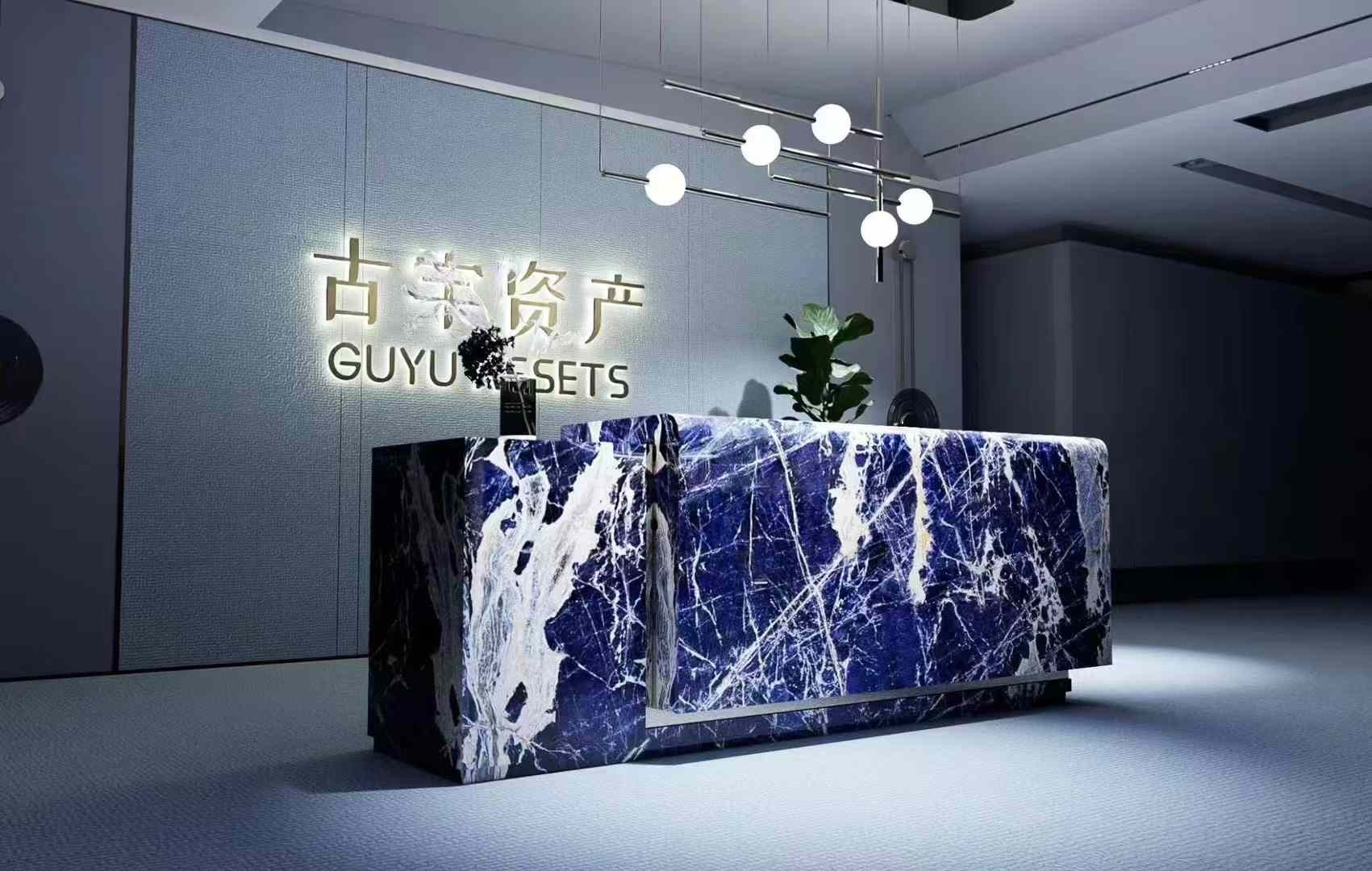
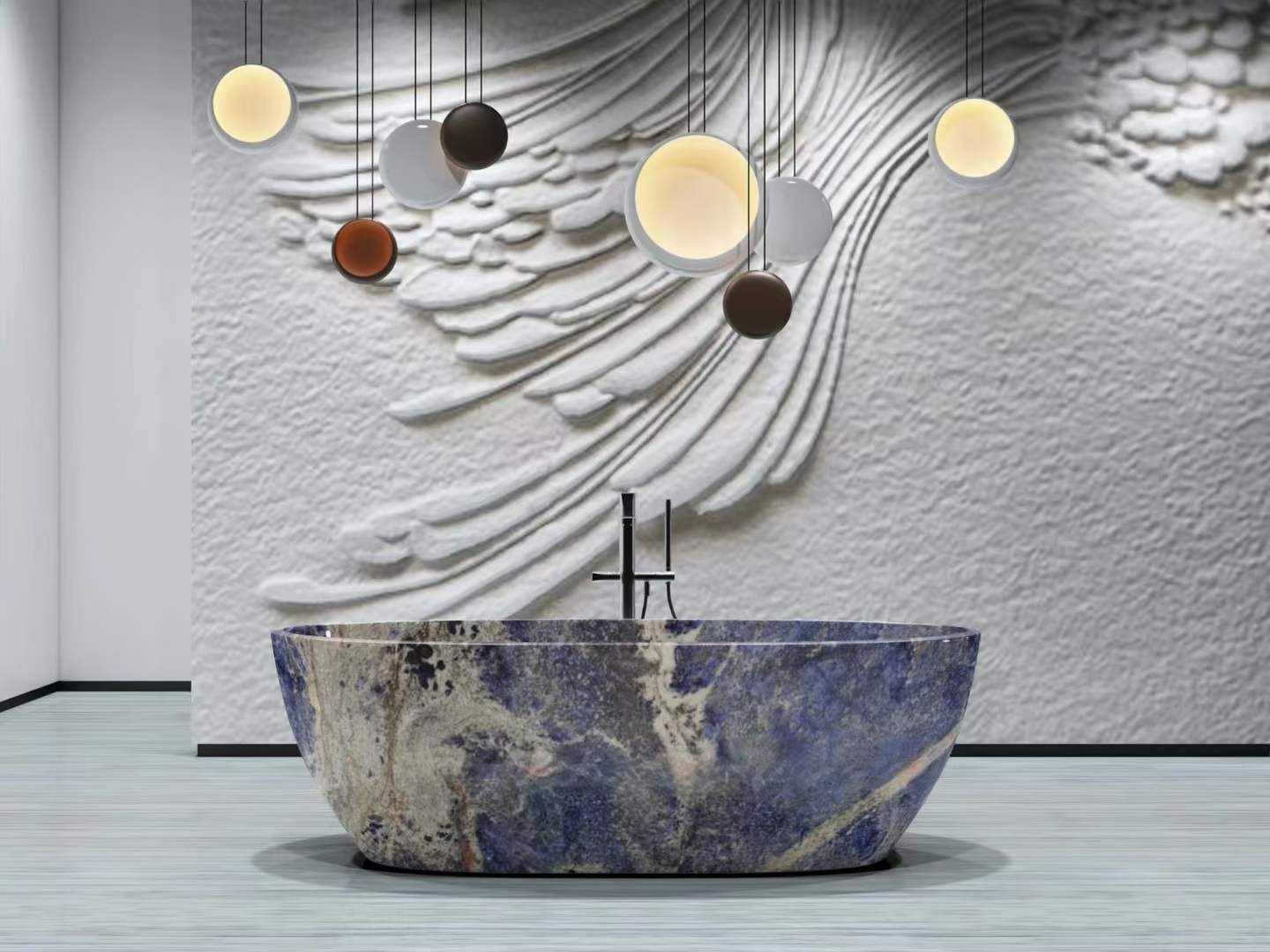
Azul Namibia Quartzite is an exotic and rare natural stone renowned for its captivating deep blue hues, often swirled with streaks of white, grey, and sometimes hints of gold or rose. Quarried in Namibia, this quartzite stands out for its intense color, unique patterns, and exceptional durability, making it a premier choice for high-end residential and commercial projects. It addresses the desire for a truly unique and luxurious natural stone that offers both striking visual appeal and robust performance, ideal for statement countertops, elegant flooring, and dramatic feature walls. This comprehensive guide aims to provide in-depth information on Azul Namibia, covering its properties, applications, and care, empowering informed decisions for designers, architects, and homeowners seeking a distinctive natural stone. It targets search intents such as "blue Namibia quartzite," "exotic blue stone countertops," "rare quartzite for luxury homes," and "durable natural stone with blue veining."
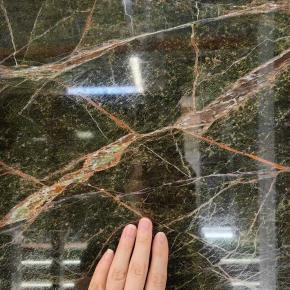
Azul Namibia Quartzite is an extraordinary natural stone, distinguished by its intense, deep blue coloration, which can range from sapphire to a more muted navy, often interwoven with dramatic veins of white, grey, and sometimes even subtle hints of other colors. This unique and vibrant appearance sets it apart from more common quartizites, making it a highly sought-after material for exclusive design projects. It is primarily quarried in Namibia, Africa, a region known for producing some of the world's most unique and visually arresting natural stones. The intense coloration is a result of trace mineral deposits during its geological formation, making each slab a unique work of natural art.
Geological Composition: As quartzite, Azul Namibia is predominantly composed of quartz (SiO2), typically over 90%, formed from sandstone subjected to extreme heat and pressure. The distinctive blue coloration is attributed to the presence of trace minerals like riebeckite or amphibole during its formation.
Hardness: Azul Namibia Quartzite ranks exceptionally high on the Mohs scale of hardness, typically between 7 and 8. This makes it one of the hardest natural stones available, highly resistant to scratching and etching.
Density: It is a very dense stone, with densities typically around 2.65 to 2.75 g/cm³.
Water Absorption: Quartzite exhibits very low water absorption, usually below 0.3%. This characteristic contributes to its excellent stain resistance, making it highly practical for kitchen and bathroom applications.
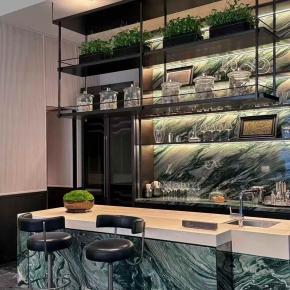
(Placeholder for high-quality images: Dramatic close-ups of Azul Namibia's unique blue veining, a full slab showcasing its exotic pattern, and a finished application like a kitchen island.)
Azul Namibia is typically available in large format slabs, crucial for creating seamless, impactful designs.
Standard Slab Dimensions: Common slab sizes are approximately 300-320cm in length and 160-180cm in width (or roughly 118-126 inches x 63-71 inches), allowing for expansive installations.
Thickness Options: Slabs are commonly available in thicknesses of 2cm (approx. ¾ inch) and 3cm (approx. 1¼ inch). Custom thicknesses may be available upon special request.
While primarily sought for its dramatic veining in slab form, Azul Namibia can occasionally be found or fabricated into tiles.
Common Tile Dimensions: If available as tiles, standard sizes like 12"x12", 24"x24", or 12"x24" might be offered.
Tile Thickness: Tile thickness typically ranges from 1cm to 2cm.
The finish chosen for Azul Namibia profoundly impacts its aesthetic and tactile qualities.
Polished: This high-gloss finish amplifies the stone's vibrant blue hues and intricate veining, creating a luxurious, reflective surface that truly showcases its exotic beauty. It is ideal for countertops and dramatic feature walls.
Honed: A smooth, matte finish that offers a more subdued, contemporary elegance. It reduces glare and provides a tactile surface, suitable for floors or areas where a less reflective appearance is desired.
Leathered/Brushed: These textured finishes impart a soft sheen and a unique tactile feel, often enhancing the perceived durability and adding a layer of sophisticated texture.
Sandblasted: This finish creates a rough, non-slip texture, making it suitable for outdoor applications or areas requiring enhanced slip resistance.
Azul Namibia is an exceptionally rare and exclusive material, impacting its availability.
Stock Status: Due to its rarity and unique origin, Azul Namibia is not always readily available in bulk. It is often found in limited quantities or may require specific sourcing or pre-ordering through specialized importers and high-end stone suppliers.
Minimum Order Quantity (MOQ): MOQs are common, especially for slabs, and may be for a full slab or a significant minimum quantity due to its exclusive nature.
Primary Stock Locations: This quartzite is typically found at high-end stone suppliers and importers who specialize in exotic and rare natural stones, often located in major metropolitan areas or stone distribution hubs worldwide.
Given its rarity and value, Azul Namibia is packed with the utmost care to ensure its safe arrival.
Slabs: Slabs are meticulously protected with foam or specialized cushioning materials to prevent scratching and chipping. They are then secured within robust, reinforced wooden crates or frames, often with internal supports, to ensure maximum stability and protection against impact during transit.
Tiles: If available, tiles are typically packed in sturdy cardboard boxes with protective internal dividers, then palletized and shrink-wrapped for secure shipment.
Shipping logistics for Azul Namibia are handled with precision, reflecting its premium status.
Primary Shipping Methods: Sea freight is the standard for international transport of slabs and tiles due to volume and cost-effectiveness. Air freight might be considered for extremely urgent or limited orders, though at a significantly higher cost.
Port of Origin: Shipments typically originate from major international ports near the quarry in Namibia or from global import hubs that stock exclusive materials.
Estimated Transit Time: Sea freight transit times can vary significantly, generally ranging from 4 to 8 weeks depending on the destination.
Freight Calculation: Shipping costs are typically based on volume (cubic meters) or container load, often quoted on an FOB (Free On Board) basis, and subject to market rates and logistical complexities.
Standard payment procedures apply for sourcing this exclusive natural stone.
Accepted Payment Methods: Common payment methods include Telegraphic Transfer (T/T) and Letters of Credit (L/C). Secure payment platforms may also be utilized depending on the supplier.
Payment Terms: A deposit (typically 30-50%) is usually required upon order confirmation to secure the material, with the balance due before shipment or upon receipt of shipping documents.
Azul Namibia Quartzite's striking beauty and exceptional durability make it an outstanding choice for creating luxurious and impactful design elements.
Fabrication Forms:
Kitchen Countertops & Islands: Its extreme hardness, low porosity, and heat resistance make it an ideal, high-performance choice for kitchen surfaces. The dramatic blue veining ensures it serves as a stunning focal point.
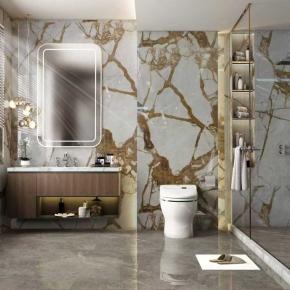
Bathroom Vanities & Walls: Its resistance to moisture, stains, and etching, combined with its luxurious appearance, makes it perfect for bathroom countertops, vanities, and shower walls.
Flooring: Highly suitable for high-traffic areas due to its extreme hardness and scratch resistance, offering a durable and exceptionally beautiful flooring solution.
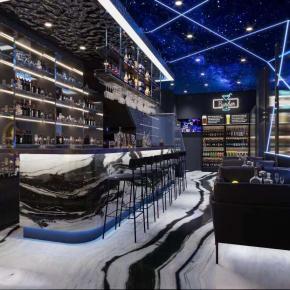
Feature Walls: Used to create breathtaking accent walls in living areas, dining rooms, or entryways, making a profound design statement.
Outdoor Applications: Its exceptional durability and resistance to weathering make it a suitable, albeit high-end, option for certain outdoor applications like exterior cladding or high-end patio designs.
Fabrication & Installation Advice:
Cutting: Due to its extreme hardness, Azul Namibia requires specialized diamond-tipped cutting tools and experienced fabricators. Precision is key to achieving clean edges and intricate cuts.
Sealing: While quartzite is naturally very dense and has low porosity, a quality penetrating sealer is often recommended, particularly for polished surfaces, to enhance stain resistance and maintain its pristine look.
Installation: Ensure a level, stable, and structurally sound substrate. Proper support is critical, especially for countertops with overhangs. Professional installation by fabricators experienced with exotic quartzite is highly advised.
Edge Profiles: A variety of edge profiles can be fabricated, from simple eased edges to more complex bullnose or custom designs, depending on the project's aesthetic.
Popular Design Trends:
Azul Namibia is a statement material that aligns with modern luxury and exclusive design trends.
Statement Piece: Its unique and dramatic blue veining makes it the undisputed focal point of any design, ideal for homeowners and designers aiming for a "wow" factor.
Modern & Contemporary: Its vibrant colors and clean, flowing patterns complement modern aesthetics, adding a sophisticated natural element.
Luxury & Bespoke: Perfect for high-end residential projects and luxury commercial spaces seeking exclusivity and unparalleled natural beauty.
Maintenance & Care:
Daily Cleaning: Use mild soap and warm water with a soft cloth. Avoid abrasive cleaners or harsh chemicals.
Spill Management: Wipe up spills promptly. Its low porosity offers excellent stain resistance, but immediate cleanup is always best practice.
Sealing: Periodic sealing (e.g., annually or bi-annually) with a quality penetrating sealer is recommended to maintain its pristine appearance and enhance stain resistance, especially for polished surfaces.
Protect Surfaces: While extremely durable, using trivets under very hot pans and coasters under glasses can help preserve the finish over time.
| Feature | Azul Namibia Quartzite | Granite | Marble | Quartz (Engineered) |
|---|---|---|---|---|
| Price per sq. ft. | $100 - $250+ | $50 - $150 | $45 - $150+ | $60 - $100 |
| Hardness (Mohs) | 7-8 | 6-7 | 3-4 | 7 |
| Durability | Extremely High | High | Moderate | High |
| Heat Resistance | Excellent | Excellent | Moderate | Good |
| Stain Resistance | Excellent | Very Good | Fair (needs sealing) | Excellent |
| Scratch Resistance | Excellent | Very Good | Moderate | Excellent |
| Maintenance | Low | Low | Moderate (sealing) | Very Low |
| Appearance | Rare blue/white veining | Varied patterns | Elegant veining | Consistent patterns |
| Porosity | Very Low | Low to Moderate | Moderate to High | Very Low (non-porous) |
| Kitchen Countertops | Excellent | Excellent | Fair (with care) | Excellent |
1. Is Azul Namibia good for kitchen countertops?
Yes, Azul Namibia is an exceptional choice for kitchen countertops. Its extreme hardness, low porosity, and high resistance to heat, stains, and scratches make it incredibly durable and practical for a demanding kitchen environment, while its unique blue veining adds unparalleled luxury and visual drama.
2. How much does Azul Namibia Quartzite cost per square foot?
Due to its rarity and exotic beauty, Azul Namibia Quartzite is one of the more expensive natural stones. Prices typically range from $100 to $250+ per square foot for slabs, significantly varying based on the specific pattern's intensity, slab quality, thickness, and supplier. Installation costs are additional.
3. How do I clean and maintain Azul Namibia surfaces?
Cleaning is simple: use mild soap and warm water with a soft cloth. Its low porosity makes it highly stain-resistant, but periodic sealing (annually or bi-annually) with a quality penetrating sealer is recommended to maintain its pristine appearance and enhance protection, especially for polished finishes.
4. What is the difference between Azul Namibia Quartzite and other blue stones like Sodalite or Azurite?
While all feature blue tones, Azul Namibia is a quartzite, a metamorphic rock prized for its extreme hardness, durability, and low porosity, making it ideal for countertops. Sodalite and Azurite are typically softer minerals, more prone to scratching and etching, and generally used for decorative items or specialized applications rather than high-traffic surfaces.
5. Can Azul Namibia Quartzite be used outdoors?
Yes, Azul Namibia Quartzite's exceptional hardness, low porosity, and resistance to weathering make it a highly suitable choice for outdoor applications such as exterior cladding, countertops, and paving, offering a durable and stunning natural stone option for exterior designs.
Azul Namibia Quartzite is a rare and magnificent natural stone, offering an unparalleled combination of striking exotic beauty and exceptional durability. Its mesmerizing blue veining and robust physical properties make it a highly desirable material for creating luxurious and impactful design elements in kitchens, bathrooms, and beyond. For those seeking a truly unique and high-performance natural stone that makes a bold statement, Azul Namibia is an unparalleled choice.
To acquire this exceptional stone for your project, we invite you to:
Request a consultation with our specialists to discuss your vision for Azul Namibia.
Inquire about available slab inventory and receive detailed pricing for your specific project needs.
Contact HRCSTONE today to source this rare quartzite and begin creating your dream space with an unparalleled natural masterpiece.
Contact: Jason Wu
Phone: +8613313887269
E-mail: jason@hrcstone.com
Whatsapp:+8613338485850
Add: Room 401-6, No.751, Fanghu Road, Huli District, Xiamen
We chat