jason@hrcstone.com
+8613338485850
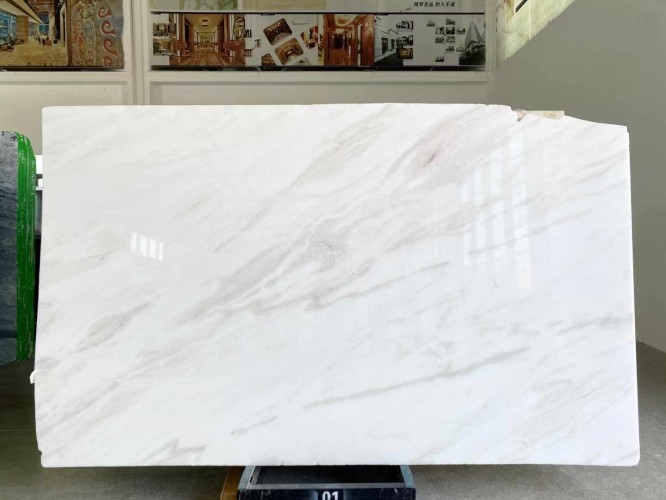
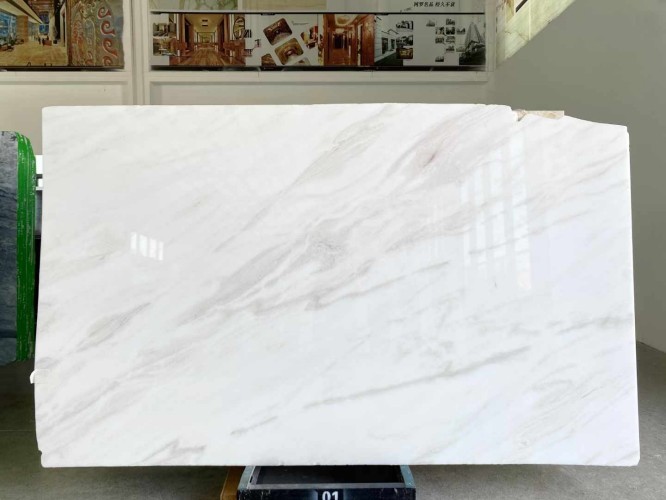
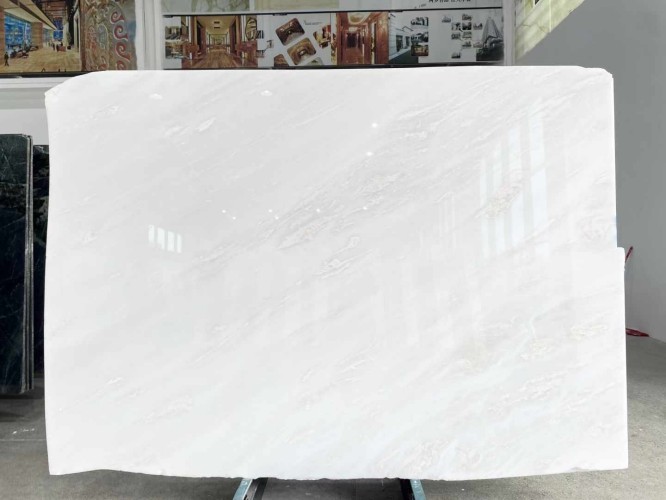
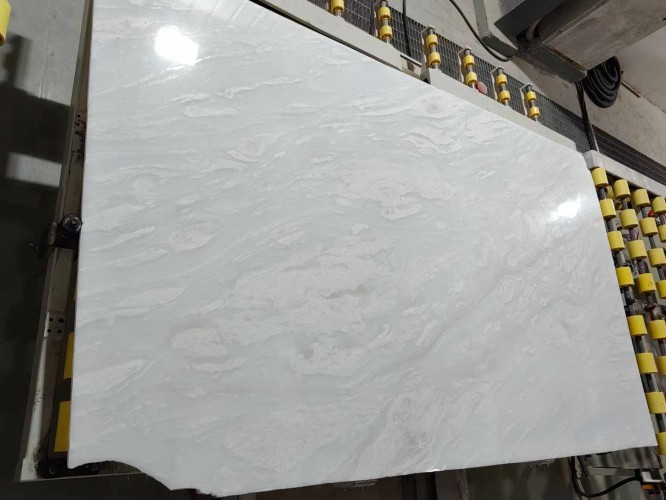
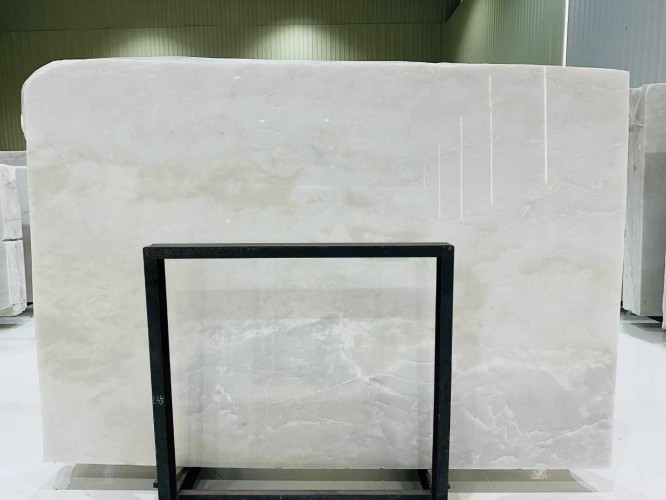
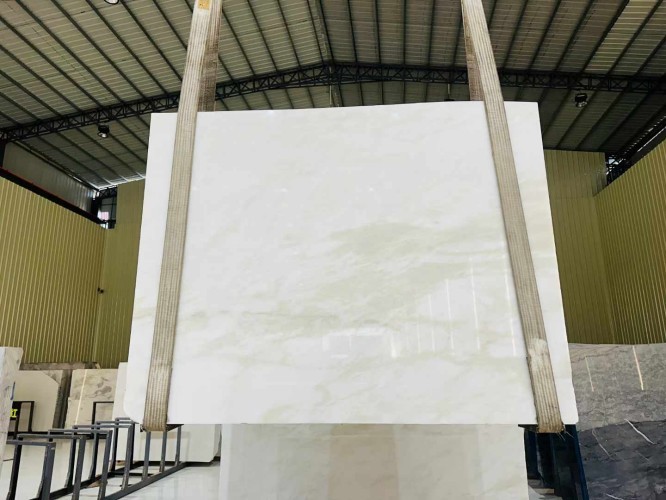
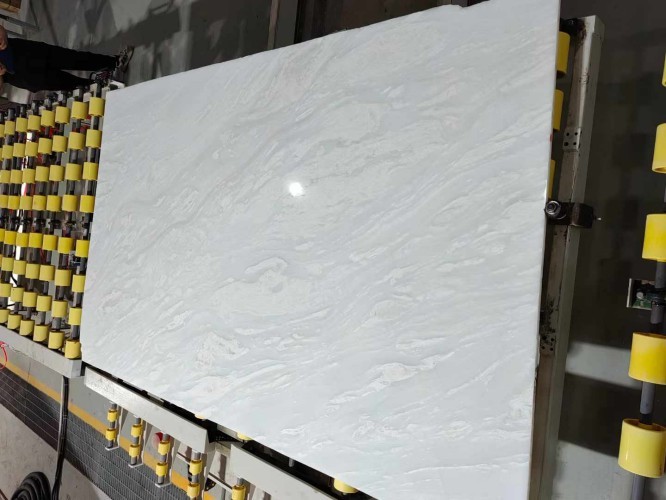
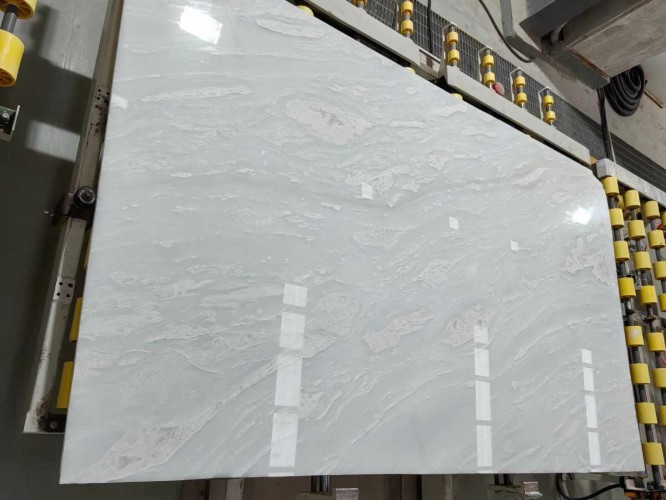
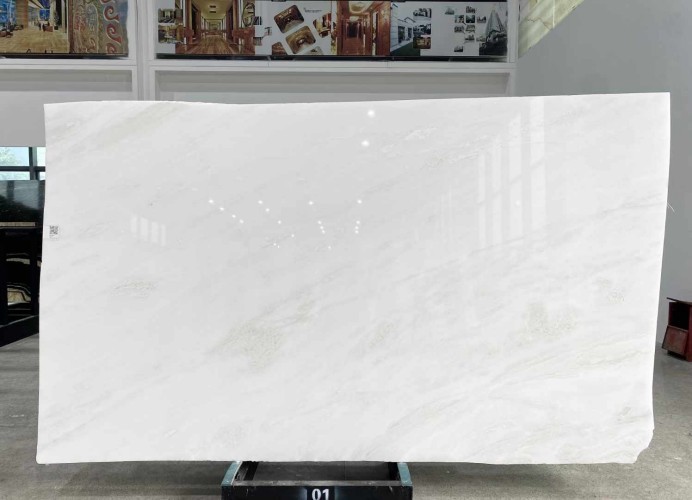
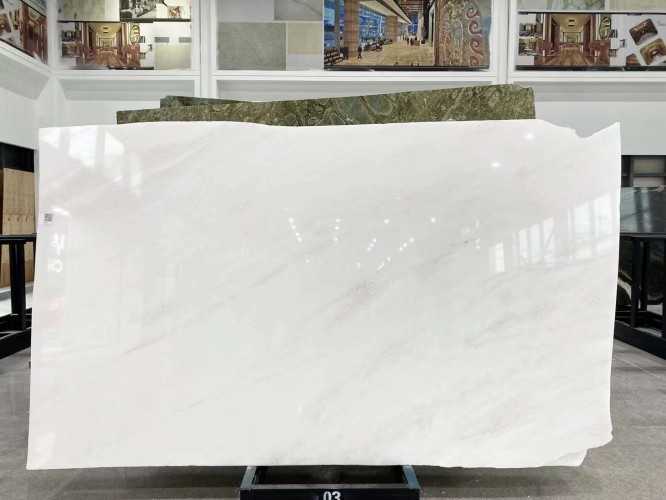
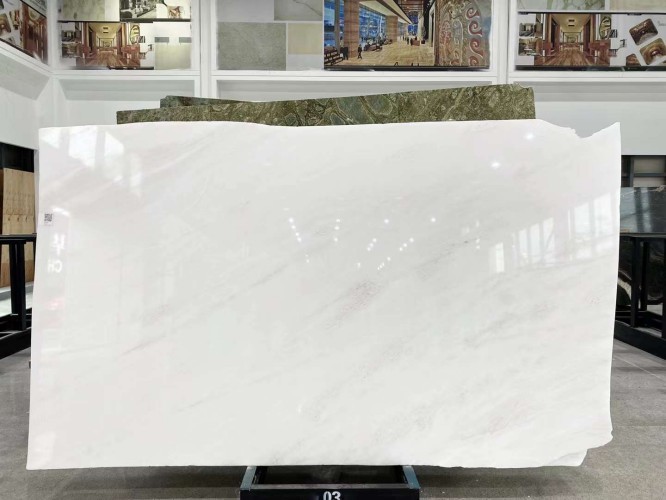
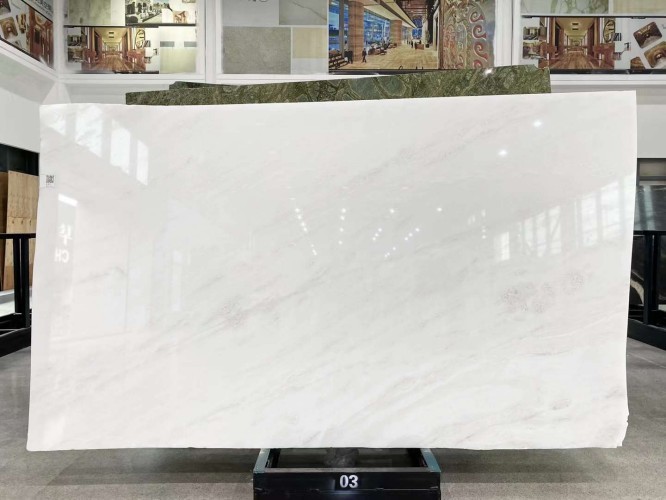
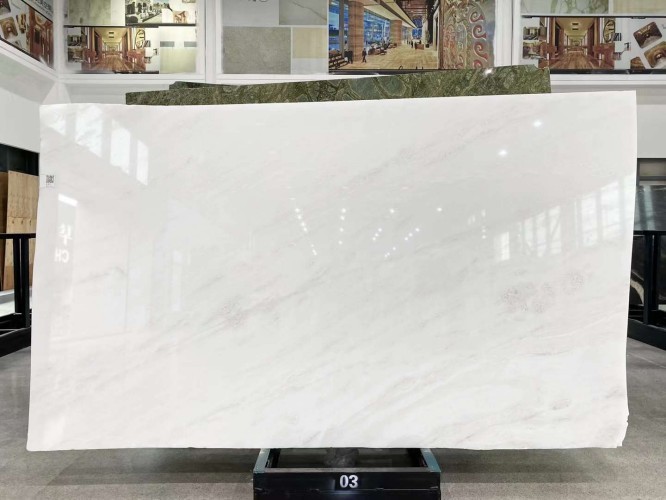
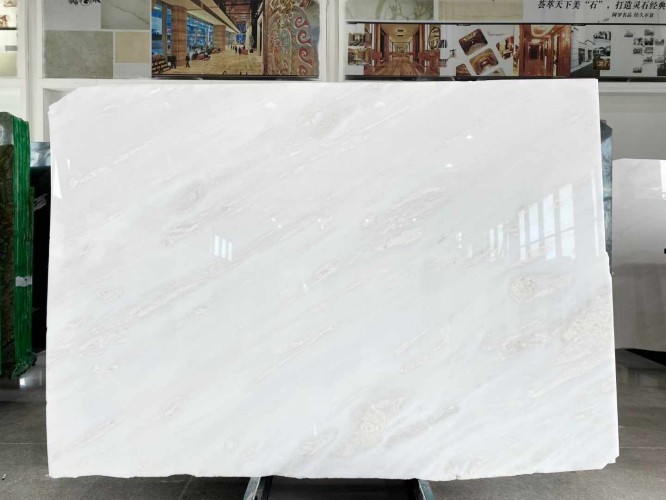
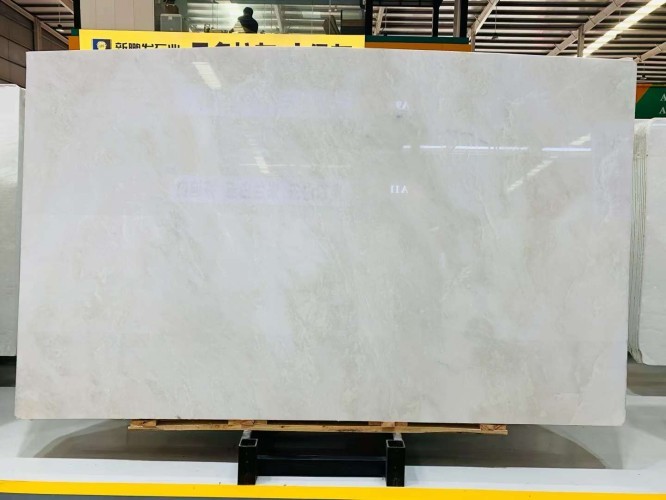
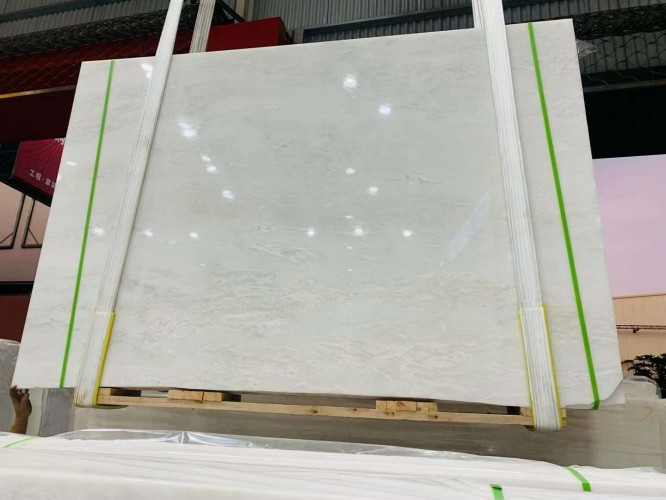
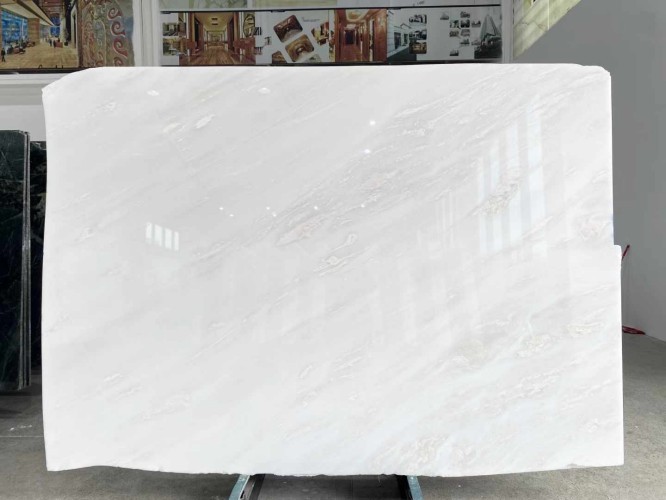
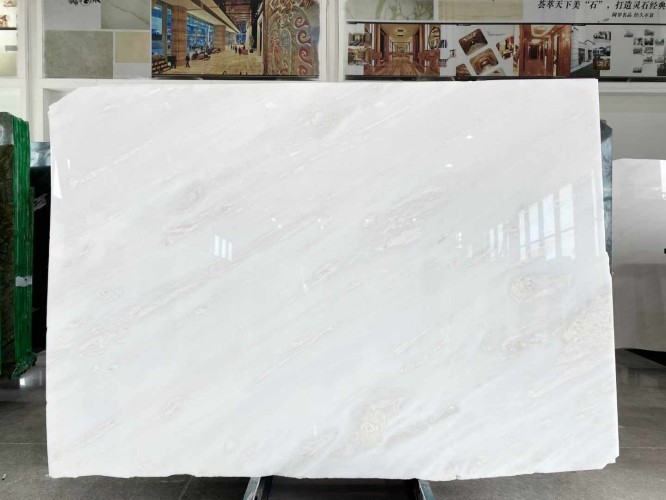
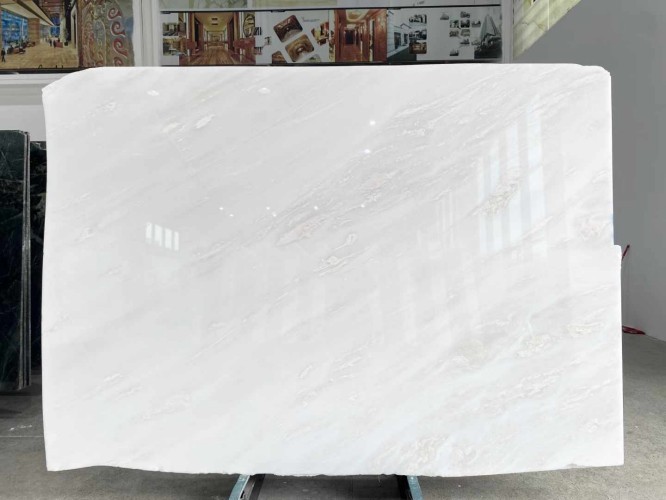
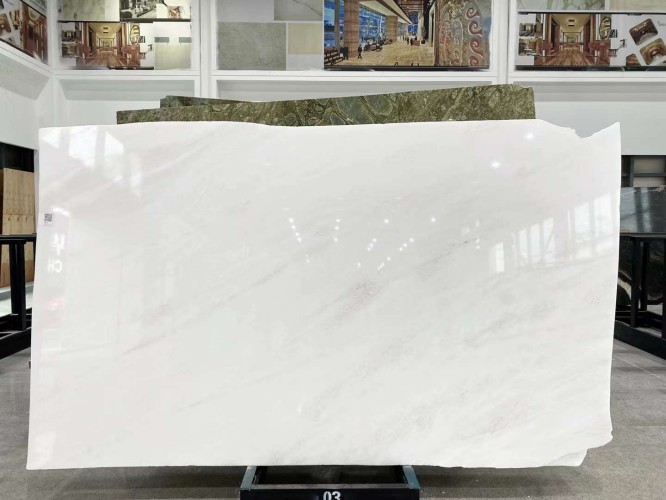
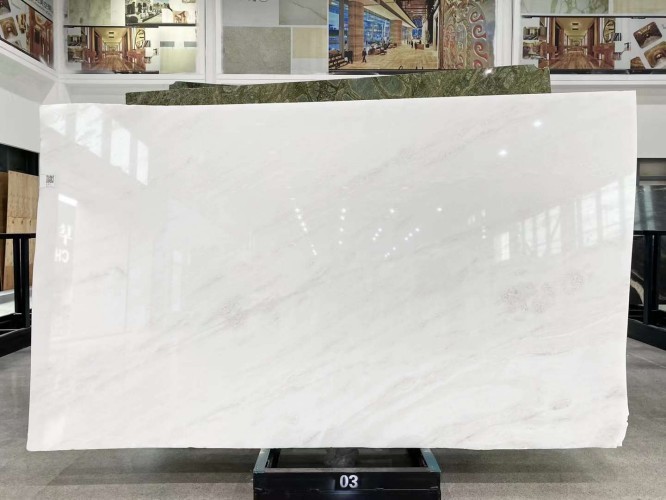
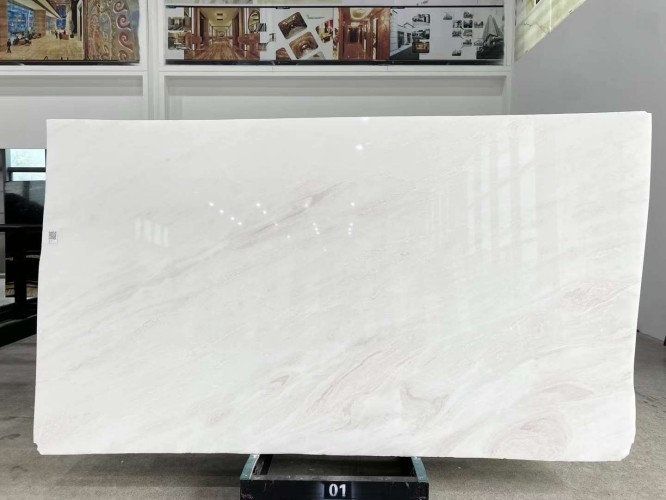
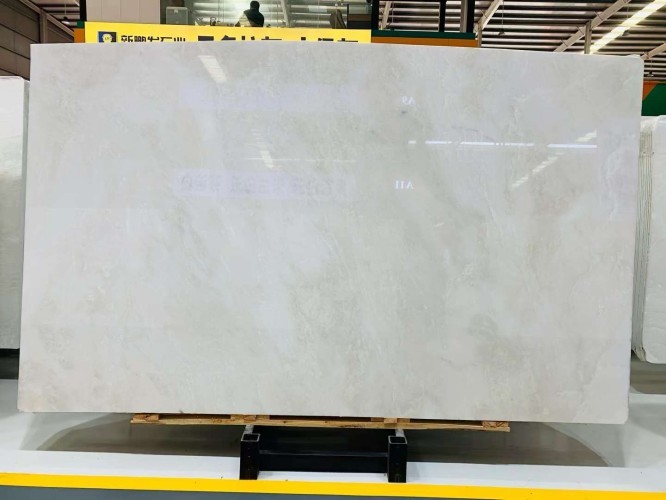
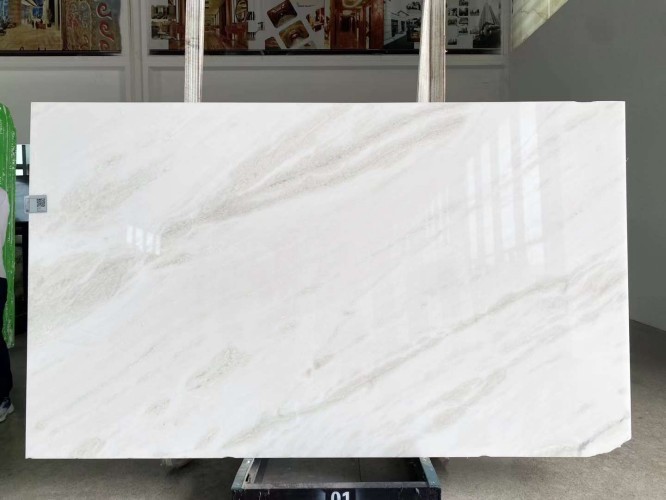
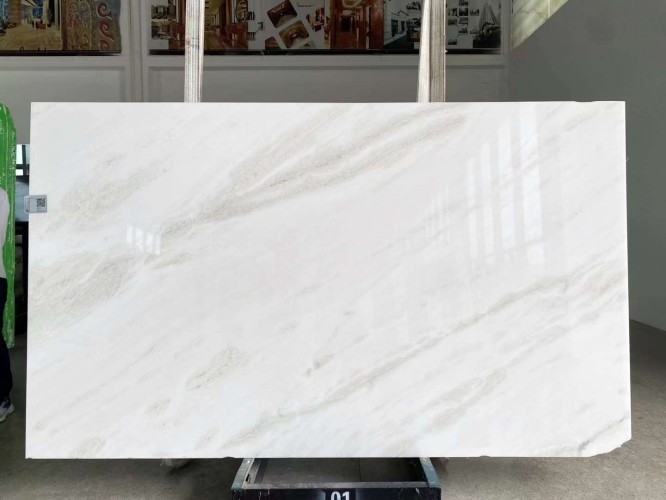
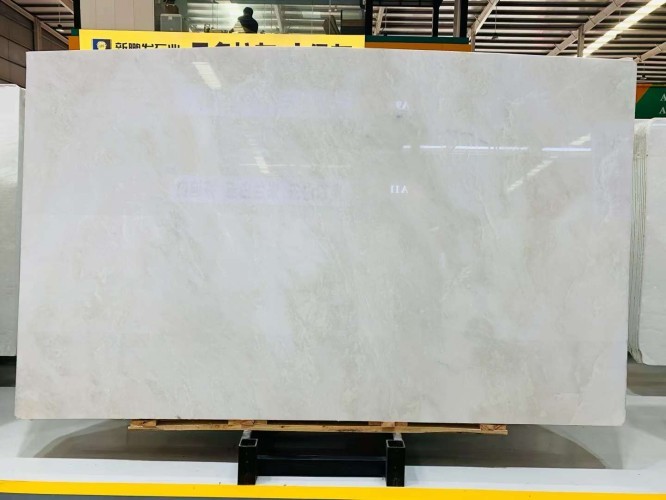
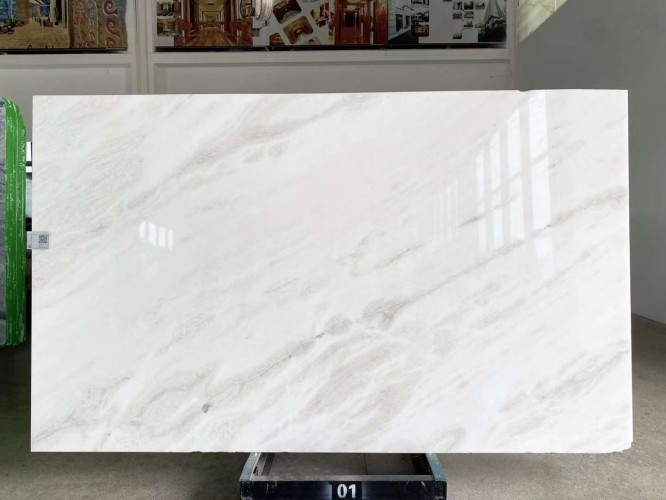
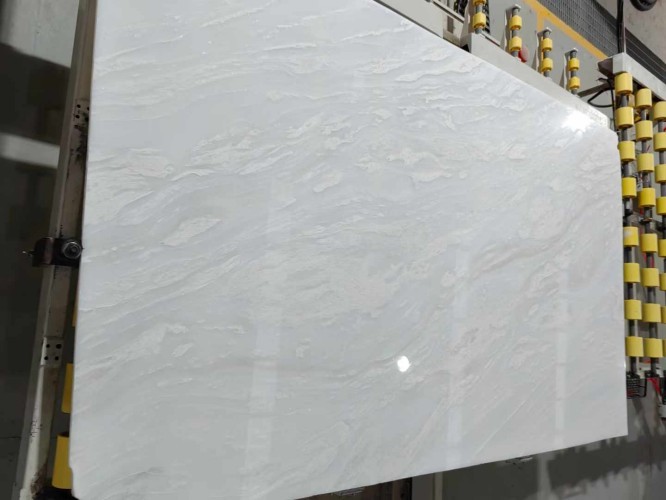
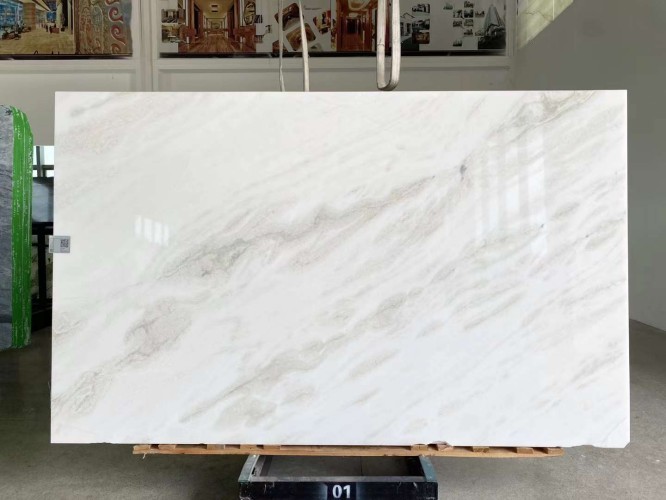
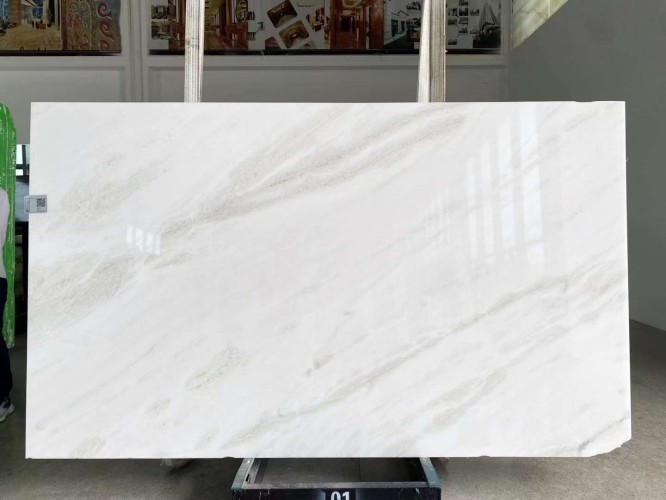
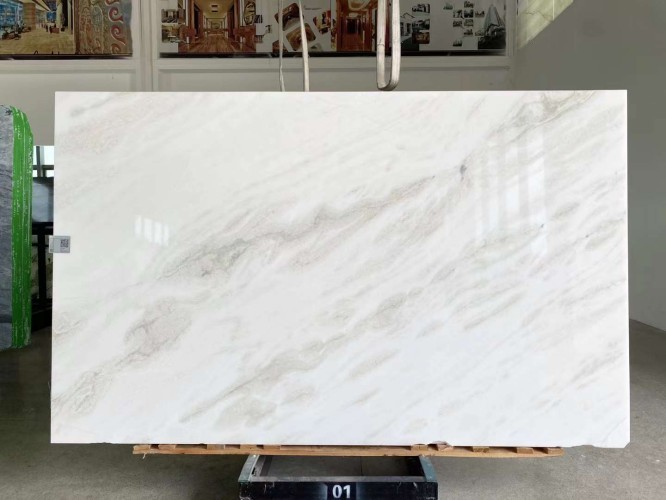
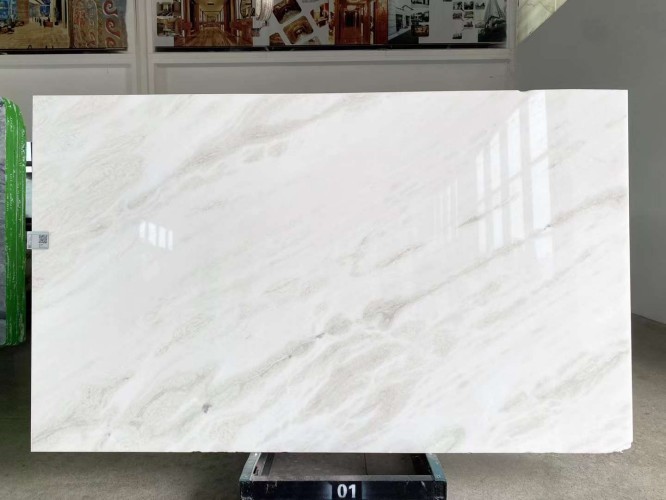
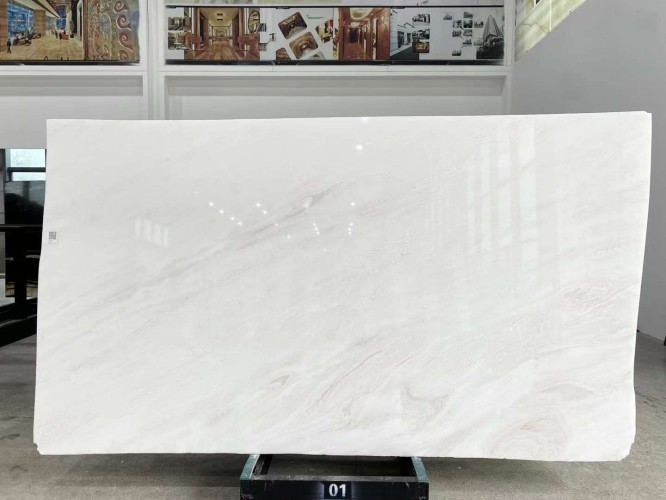
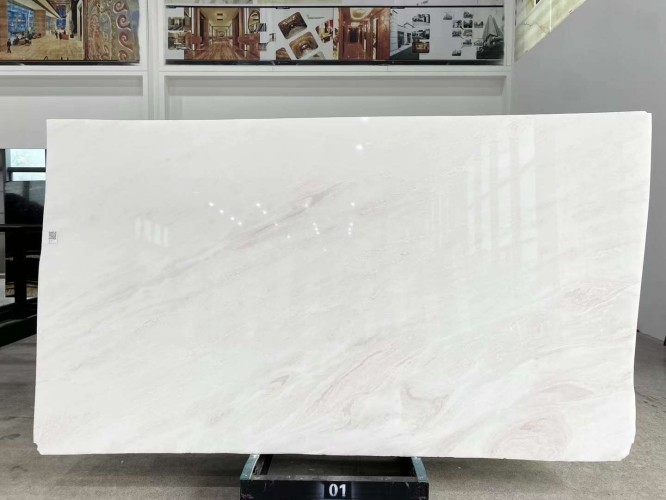
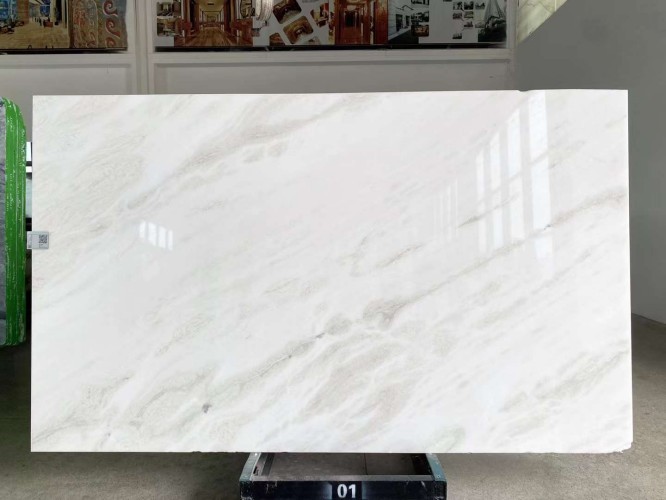
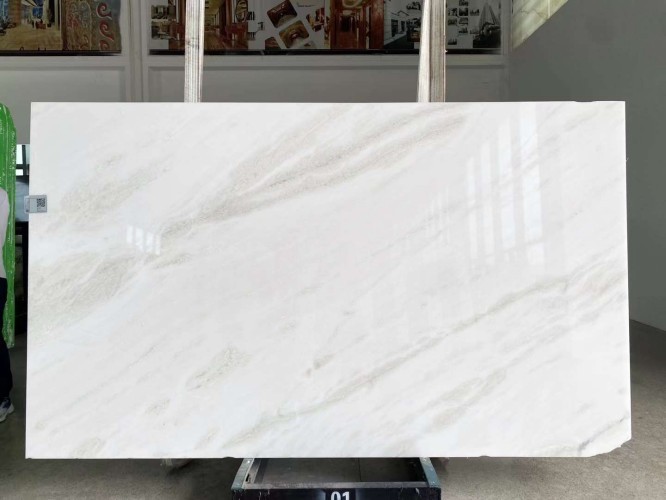
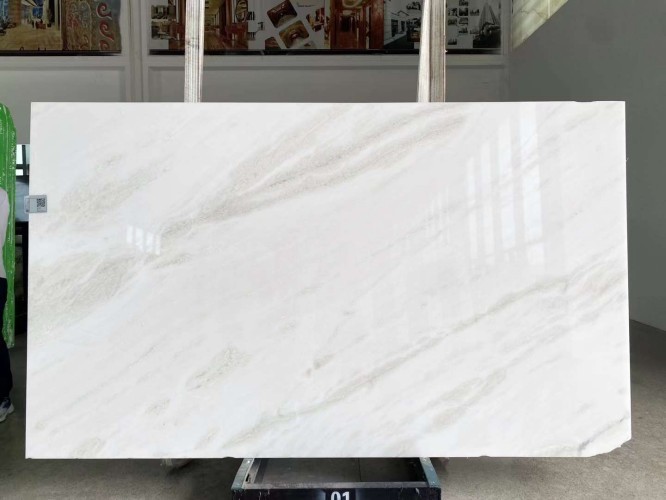
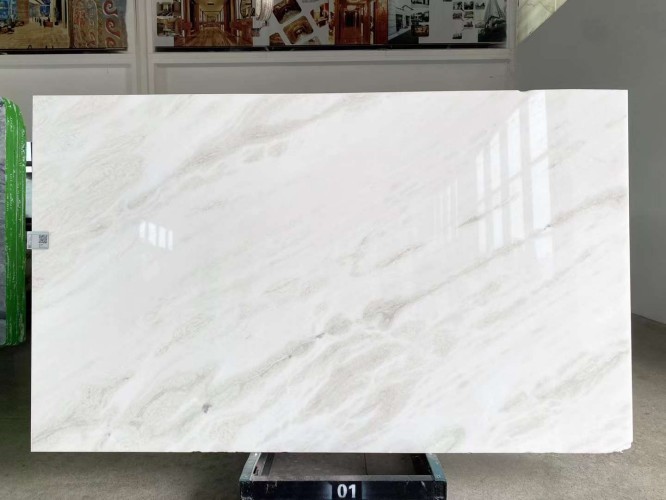
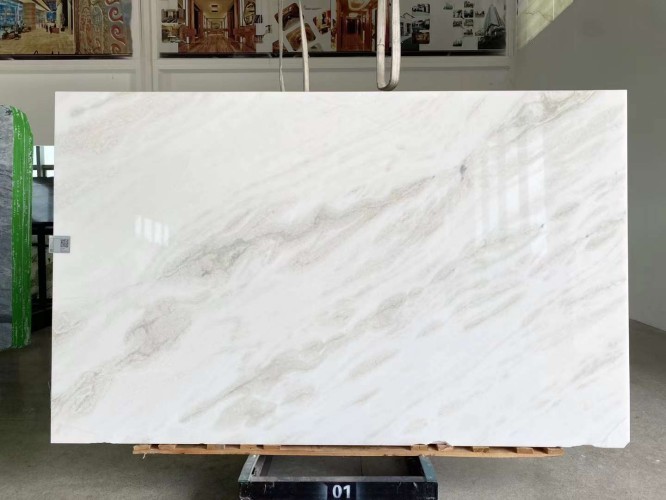
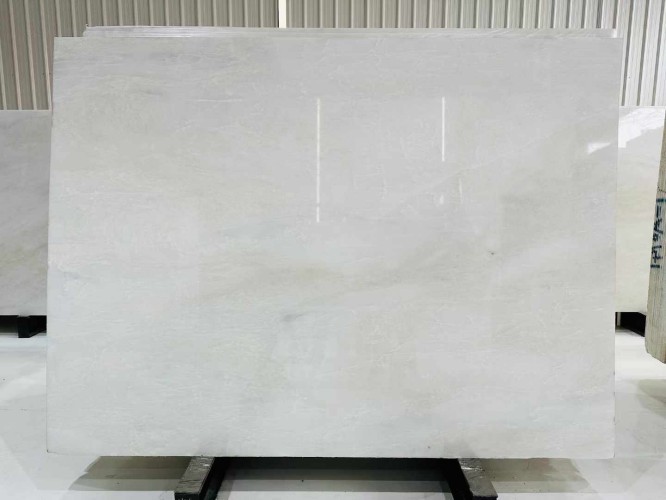
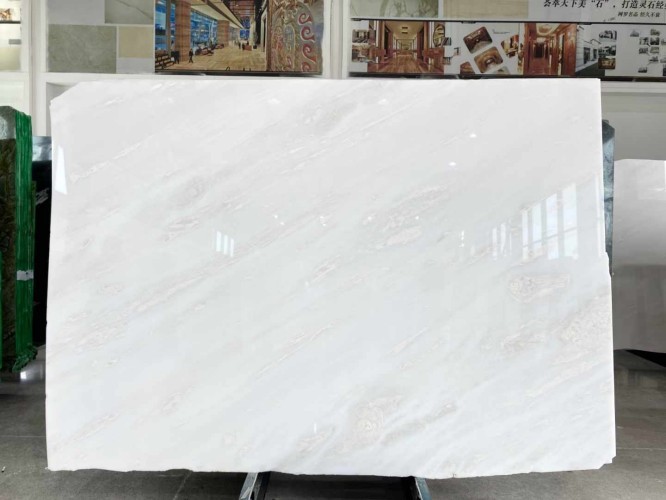
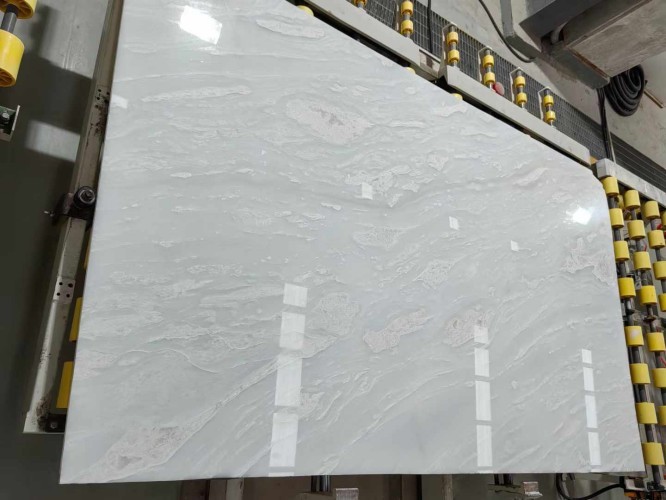
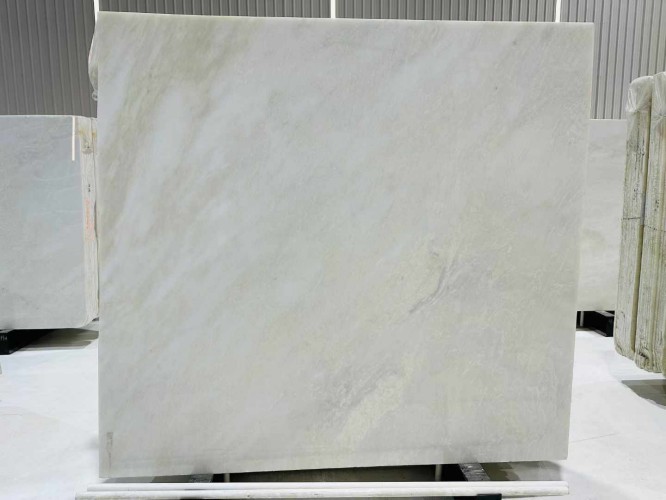
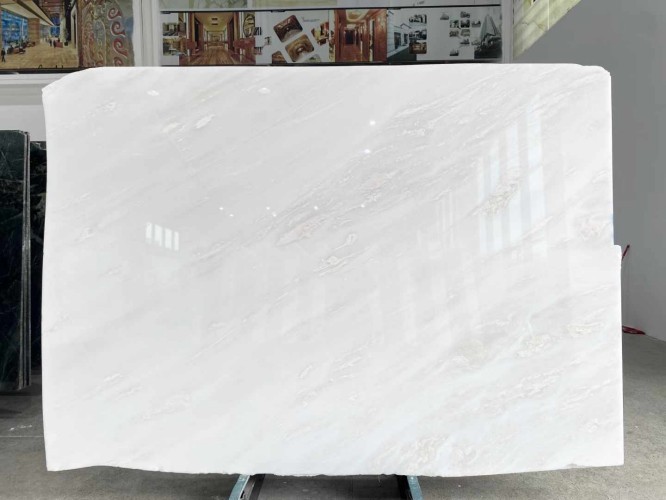
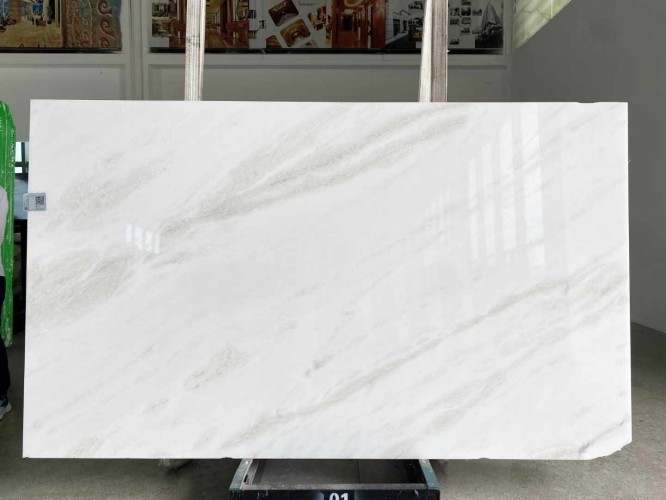
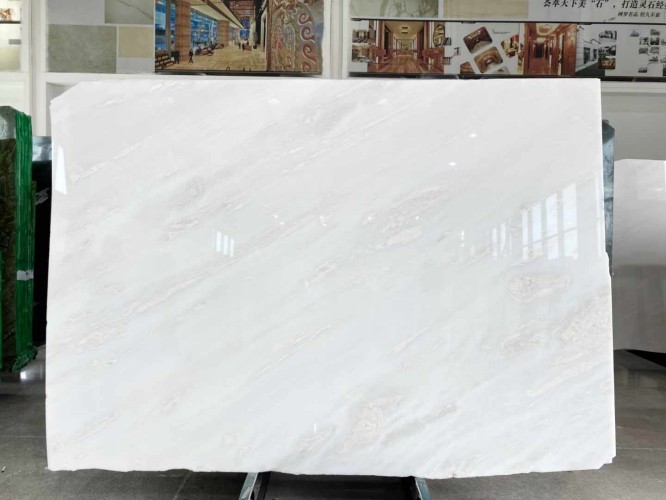
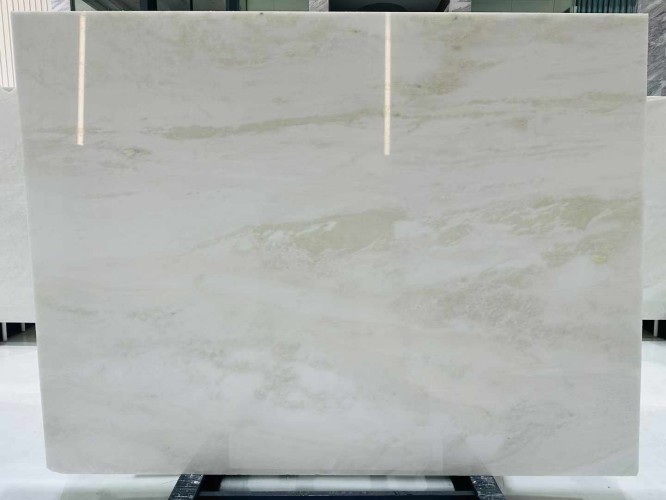
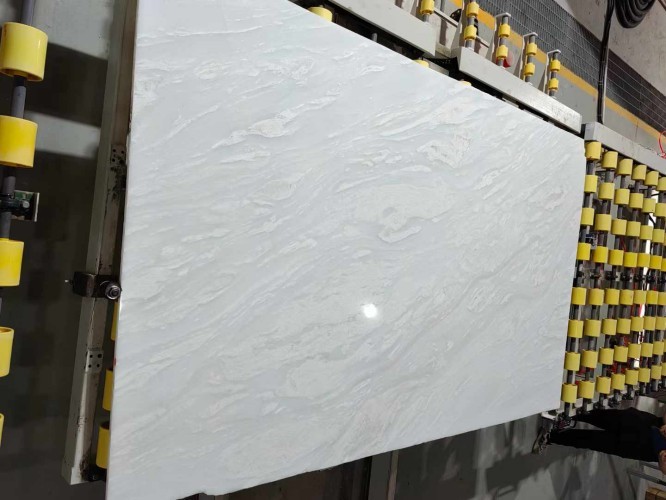
A premium white dolomitic marble from Karibib, Namibia, celebrated for its crystalline purity, jade-like translucency, and exceptional hardness. Known as the "Stone of the Year 2023," it is the ultimate choice for high-end interior surfaces and backlit architectural features.
Namib Bianco Marble: The Ultimate Guide to Namibian White Elegance
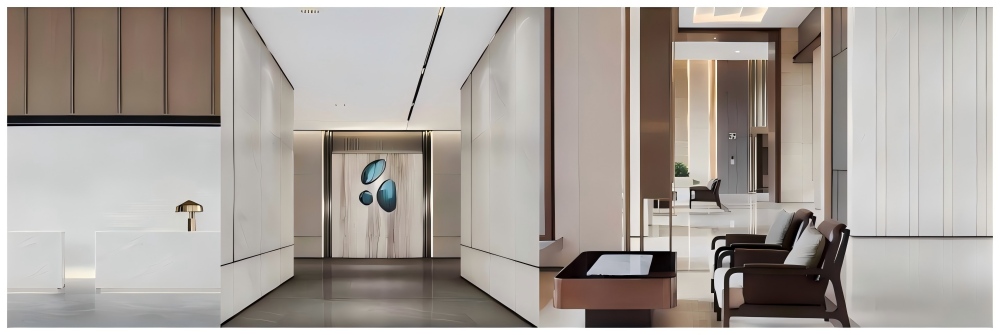
Namib Bianco, widely recognized in the luxury stone market as Namibian White or Bianco Rhino, is a geological masterpiece quarried from the arid landscapes of Karibib, Namibia. As a high-density dolomitic marble, it bridges the gap between the aesthetic delicacy of traditional white marble and the structural resilience of quartzite. In 2023, the Natural Stone Institute rightfully crowned it the "Stone of the Year," solidifying its status as a global favorite for architects and interior designers seeking a pristine, "sugar-white" canvas.
Stone Information and Geological Origin
Namib Bianco is more than just a white stone; it is a composition of fine-grained crystals that give it a unique luminous quality. Unlike Italian Carrara, which often features bold gray veins, Namibian White is characterized by its high whiteness index and extremely subtle, misty veining that ranges from pale cream to silver-gray.
Geologically, it is a dolomite, meaning it contains a high percentage of magnesium. This chemical makeup results in a stone that is significantly harder and less porous than standard calcitic marbles. Its low water absorption rate (approx. 0.06%) makes it a standout performer in wet environments and high-traffic zones.
Available Slab and Tile Sizes
To accommodate diverse architectural requirements, Namib Bianco is processed into a variety of formats:
Slab Dimensions
Jumbo Slabs: Typically available in sizes around 2800mm up to 3300mm in length and 1600mm to 2000mm in height.
Standard Thickness: 18mm (approx. 3/4") is the industry standard. Custom 20mm and 30mm slabs are available for heavy-duty countertop applications.
Standard Tile Sizes
Square Formats: 305 x 305mm (12"x12"), 610 x 610mm (24"x24"), 800 x 800mm.
Rectangular Formats: 305 x 610mm (12"x24"), 600 x 1200mm.
Custom Sizes: Precise CNC cutting allows for hexagonal, herringbone, and bespoke oversized floor panels.
Available Surface Finishes
The finish of Namib Bianco dramatically alters its visual impact and slip resistance:
Polished: The most popular choice. It enhances the stone's translucency and brings out the vividness of the white background.
Honed: Provides a matte, velvet-like touch. Ideal for flooring as it hides scratches better and reduces glare in brightly lit rooms.
Leathered/Brushed: Adds a subtle texture that is tactile and sophisticated, often used in modern kitchen designs.
Sandblasted/Acid-Washed: Creates a high-grip surface suitable for outdoor pathways or pool surrounds.
Stock and Shipping Information
Stock Information
We maintain a consistent inventory of over 5,000 square meters of premium Namib Bianco blocks and slabs. This ensures "book-matched" sets are always available for large-scale feature walls.
Packing Details
Slabs: Secured in fumigated solid wood bundles with iron reinforced frames.
Tiles: Packed in seaworthy, fumigated wooden crates with internal foam protection to prevent edge chipping.
Shipping & Payment Details
Lead Time: 7–15 days for stock items; 20–30 days for custom cut-to-size orders.
Loading Port: Xiamen, China (Processing Center) or directly from Walvis Bay, Namibia for block orders.
Payment Terms: T/T (30% deposit, 70% against B/L copy) or Irrevocable L/C at sight.
Usage Information and Design Trends
Versatile Processing Forms
Namib Bianco’s structural integrity allows it to be shaped into complex forms:
Countertops & Vanities: Its density makes it resistant to common kitchen acids.
Staircases: Solid treads and risers create a seamless white "waterfall" effect.
Decorative Art: As seen in modern trends, it is frequently used for Hello Kitty-shaped platters, circular lazy susans, and cylindrical furniture legs.
Popular Design Trends
Translucent Backlighting: Because of its crystalline structure, Namibian White glows beautifully when backlit with LED panels. This is a top trend for luxury hotel lobbies and high-end bar tops.
Minimalist Monochromes: Designers pair this stone with light oak wood or matte black fixtures to create a "Quiet Luxury" aesthetic.
Technical Precautions and Maintenance
Fabrication Considerations
Equipment: Use high-quality diamond blades to prevent "burning" or micro-chipping the edges, as the stone is harder than typical marble.
Sealing: Although low-porosity, we recommend a high-grade penetrating sealer before and after installation to maintain its bright white hue.
Dry Layout: Always perform a dry layout of tiles or slabs to ensure vein continuity (especially for book-matching).
Maintenance Tips
Daily Cleaning: Use pH-neutral cleaners. Avoid acidic substances like lemon juice or vinegar.
Stain Prevention: Wipe up spills (especially wine or coffee) immediately.
Periodic Resealing: In high-use areas like kitchens, re-apply sealer every 12–24 months.
FAQ: Frequently Asked Questions
1. Is Namib Bianco a marble or a quartzite?
It is technically a dolomitic marble. However, due to its high hardness and density, it is often marketed as "soft quartzite." It is more durable than Italian white marbles but still requires the care typical of marble.
2. Does Namibian White turn yellow over time?
Unlike some marbles with high iron content, Namib Bianco is very stable. Yellowing is rare and usually caused by improper cleaning chemicals or moisture trapped behind the stone rather than the stone itself.
3. Can I use Namib Bianco for my kitchen island?
Yes. Its low water absorption and high density make it one of the few white marbles suitable for kitchen environments, provided it is properly sealed.
4. How does Namib Bianco compare to Bianco Carrara?
Namib Bianco is much whiter and "cleaner" looking. It lacks the heavy gray "spots" or "smudges" often found in Carrara and has a more crystalline, translucent texture.
5. Why is Namib Bianco more expensive than other white stones?
The cost reflects its origin (Namibia), the difficulty of quarrying in remote areas, its superior density, and its high demand in the luxury market.
Conclusion
In the world of natural stone, Namib Bianco (Namibian White) represents the pinnacle of purity and performance. Whether it is applied as a massive backlit feature wall or a delicate decorative tray, its jade-like translucency and crystalline strength offer a timeless elegance that few materials can match. By choosing Namibian White, you are investing in a stone that not only elevates the aesthetic value of a space but also stands the test of time through its superior geological properties.
Contact: Jason Wu
Phone: +8613313887269
E-mail: jason@hrcstone.com
Whatsapp:+8613338485850
Add: Room 401-6, No.751, Fanghu Road, Huli District, Xiamen
We chat