jason@hrcstone.com
+8613338485850
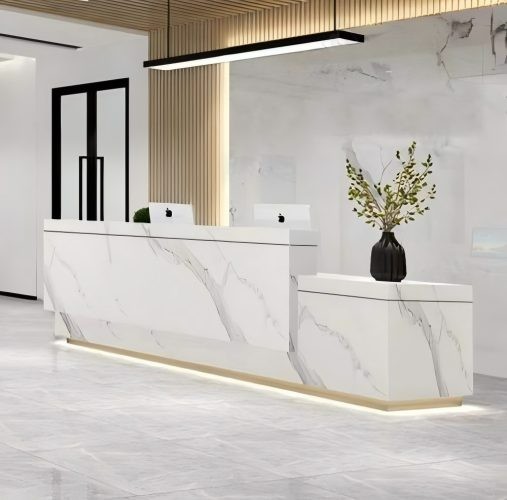
Marble furniture stands at the forefront of luxury home design, merging stunning aesthetics with enduring strength. This comprehensive guide provides in-depth information for homeowners, interior designers, architects, and contractors looking to incorporate marble's timeless elegance into their projects.
Marble has captivated humanity for centuries with its unique beauty and luxurious appeal. In contemporary interior design, marble furniture represents the perfect fusion of natural artistry and functional sophistication. Each piece tells a story through its distinctive veining and color variations, bringing character and warmth to any room . As we move through 2026, marble continues to dominate luxury interiors, with trends emphasizing durability, aesthetics, finish options, sustainability, and cost considerations. This guide explores everything you need to know about selecting, maintaining, and designing with marble furniture.
Marble is a metamorphic rock formed from limestone under intense heat and pressure over millions of years. What makes marble particularly desirable for furniture is its unique crystalline structure that creates the distinctive veining patterns no two pieces are exactly alike.
Key Characteristics:
While softer than granite, marble offers excellent durability for furniture applications when properly maintained. Its density ranges from 2.5 to 2.7 g/cm³,
providing substantial weight and stability.
The natural veining and color variations create artistic elements that cannot be replicated synthetically. From classic whites to deep greens and blues, each
piece tells a geological story.
Suitable for various applications including kitchen countertops, dining tables, coffee tables, console tables, and decorative accessories.
Popular Marble Types for Furniture:
Known for its white and gray tones with subtle, feathery veining. The most accessible and widely used marble for furniture.
Features bolder, more dramatic veining against a whiter background. Considered more luxurious than Carrara.
Characterized by striking gray veining on a bright white background, often with gold undertones.
Dark brown marble with white veining, offering a rich, dramatic appearance perfect for statement pieces.
Marble slabs for furniture manufacturing come in standardized dimensions that balance structural integrity, aesthetic appeal, and practical handling. The thickness directly impacts both durability and appropriate applications.
| Thickness | Common Dimensions | Primary Furniture Applications |
|---|---|---|
| 16-18 mm (Standard) | 120″ × 60″ (305 × 152 cm) 130″ × 70″ (330 × 178 cm) | Wall cladding, backsplashes, furniture inlays, moderate-use flooring |
| 20 mm (Enhanced) | 120″ × 60″ (305 × 152 cm) 130″ × 70″ (330 × 178 cm) | Kitchen countertops, vanities, dining tables, console tables |
| 30 mm+ (Premium) | Custom sizes available | Statement dining tables, conference tables, heavy-use commercial furniture |
For large-format applications, lightweight marble panels can reach dimensions of 3600 mm × 1900 mm while maintaining a weight of approximately 20kg/m²—lighter than porcelain tiles intended for similar formats. This innovation allows for more dramatic, seamless furniture designs without structural compromise.
While slabs dominate furniture manufacturing, marble tiles play crucial roles in complementary applications and smaller furniture pieces. Standard tile sizes include:
Ideal for tabletops, decorative inlays, and small accent furniture
Perfect for console table tops, side tables, and shelving
Suitable for larger coffee tables and desk surfaces
Used for substantial table surfaces and integrated furniture elements
Modern trends favor larger format tiles that minimize grout lines and create a more seamless, luxurious appearance. The 2026 design direction emphasizes letting the marble itself shine through large-format applications with subtle finishing.
The finish applied to marble significantly affects both its appearance and functionality. Choosing the right finish depends on the furniture's intended use, location, and design aesthetic.
Primary Finish Options:
Creates a glossy, reflective surface that enhances the marble's natural colors and veining. Most popular for tabletops and decorative pieces where visual impact is prioritized.
A matte, smooth finish without the shine of polished marble. Better at hiding scratches and etch marks, making it ideal for high-use surfaces like kitchen countertops and dining tables.
Textured finish that highlights the stone's natural characteristics while providing additional grip. Excellent for areas where slip resistance is important.
Thermal treatment creates a rough, non-slip surface. Primarily used for outdoor furniture or areas requiring maximum traction.
When selecting finishes for furniture, consider both aesthetic preferences and practical requirements. A polished marble coffee table makes a stunning visual statement, while a honed finish might be more practical for a frequently used dining table.
Availability varies by marble type, color, and finish. Premium varieties like Calacatta Gold and Statuario may have longer lead times due to limited quarry output and high demand. Standard Carrara marble is typically more readily available.
Inventory Considerations
Standard Stock: Carrara White, Carrara Grey, and Emperador Dark Brown are generally available from stock with 2-4 week lead times for custom fabrication.
Premium Selection: Calacatta, Statuario, and exotic marbles may require 6-12 weeks for quarry selection, shipping, and fabrication.
Low MOQ Options: Some manufacturers offer minimum order quantities as low as 1-2 sets for buyers testing market response or undertaking small projects.
Proper packaging is crucial for protecting marble furniture during transit. Given marble's weight and susceptibility to chipping, specialized packing methods are employed:
All edges and corners receive foam cushioning and rigid cardboard or plastic protectors
Non-stick protective film applied to polished surfaces to prevent scratching
Heavy-duty wooden crates with internal bracing for large pieces or international shipments
Moisture-resistant materials in humid climates to prevent condensation damage
"Fragile," "This Side Up," and weight indicators on all packages
Shipping marble furniture requires specialized logistics due to its weight, fragility, and value. Most reputable suppliers offer white-glove delivery services that include in-home placement and unpacking.
Delivery Timeline & Services
Domestic Shipping: Within the U.S., delivery typically ranges from 3 to 7 business days depending on location and service level.
International Shipping: 4-8 weeks for overseas shipments, including customs clearance and final delivery.
White-Glove Service: Professional delivery teams handle unpacking, placement, and removal of packaging materials. Additional fees usually apply.
Restrictions: Most carriers do not ship to P.O. boxes due to size and weight limitations.
Standard payment terms for marble furniture orders typically follow industry norms for custom, high-value goods:
50% deposit required to commence fabrication, with balance due before shipment
Bank transfer, credit cards (may incur processing fees), and certified checks
Full payment may be required for highly customized pieces using rare marble varieties
Deposits are generally non-refundable once fabrication has begun
Modifications after production begins may incur additional charges and extend lead times
Marble furniture brings timeless elegance to both residential and commercial spaces. Understanding proper usage ensures longevity and maintains aesthetic appeal.
When incorporating marble into interior designs, balance visual impact with practical considerations:
Choose items where marble is the center of attention with sleek silhouettes
Evaluate existing colors, lighting, and intended mood for space harmony
Maximize natural light to highlight marble's translucency and veining
Combine with wood, metal, or glass to create visual interest and texture contrast
2026 Design Trends
Current marble furniture trends reflect evolving design preferences:
Beige, taupe, and warm gray marbles replacing cool whites
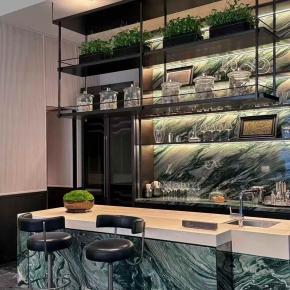
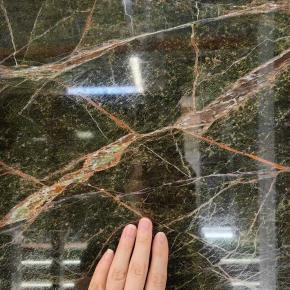
Green marbles (especially sage and forest tones) gaining popularity
Black and deep gray marbles for contrast and sophistication
Clean lines and simple forms that let the stone's natural beauty dominate
Increased demand for ethically quarried and locally sourced marbles
Proper care extends marble furniture's beauty and longevity. Daily maintenance requires specific approaches:
Wipe surfaces with a damp, non-abrasive cloth and mild soap (like dish detergent)
Never use vinegar, Windex, bleach, or other acidic cleaners that etch the surface
Apply quality sealant every 6-12 months; reapply when water stops beading on the surface
Organic stains (coffee, juice): paper towel soaked in bleach for 24 hours. Oil/grease: acetone and baking soda paste for 24 hours
Use coasters, placemats, and cutting boards; clean spills immediately
Based on common search queries from homeowners, designers, and contractors, here are expert answers to the most frequently asked questions about marble furniture:
Is marble furniture durable enough for daily use?
Yes, when properly sealed and maintained, marble furniture is highly durable for daily use. While softer than granite, its density (2.5-2.7 g/cm³) provides substantial strength. The key is regular sealing (every 6-12 months) and immediate cleanup of spills, especially acidic substances like wine, coffee, or citrus juices.
What's the difference between Carrara, Calacatta, and Statuario marble?
Carrara: Gray/white with subtle, feathery veining; most affordable and widely available. Calacatta: Whiter background with bolder, more dramatic gray veining; considered more luxurious. Statuario: Bright white with striking gray veining, often with gold undertones; premium category with limited availability. Price increases from Carrara to Calacatta to Statuario.
Can marble furniture be used outdoors?
Generally not recommended for permanent outdoor exposure. Marble is porous and can be damaged by freeze-thaw cycles, acid rain, and prolonged UV exposure. If using outdoors, select flamed or honed finishes (not polished), ensure excellent drainage, and use in covered areas like pergolas or screened porches. Regular sealing is absolutely essential.
How do I remove stains from marble furniture?
Organic stains (food, wine, coffee): Place a paper towel soaked in household bleach directly on the stain for 24 hours, then rinse and reseal. Oil-based stains: Create a paste from acetone and baking soda, apply to stain for 24 hours, then clean normally. Always test in an inconspicuous area first and reseal the treated area afterward.
Is faux marble furniture a good alternative?
Faux marble (engineered quartz or porcelain) offers excellent stain resistance and durability at lower cost, making it popular for budget-conscious projects. However, it lacks the unique veining, depth, and natural variation of genuine marble. For high-end applications where authenticity matters, natural marble remains superior despite requiring more maintenance.
Marble furniture represents more than just functional pieces—it's an investment in timeless elegance, natural beauty, and sophisticated design. From the classic appeal of Carrara to the dramatic statement of Calacatta, each marble variety brings unique character to interior spaces. While requiring thoughtful maintenance, properly cared-for marble furniture can last generations, developing a patina that adds to its st
Contact: Jason Wu
Phone: +8613313887269
E-mail: jason@hrcstone.com
Whatsapp:+8613338485850
Add: Room 401-6, No.751, Fanghu Road, Huli District, Xiamen
We chat