jason@hrcstone.com
+8613338485850
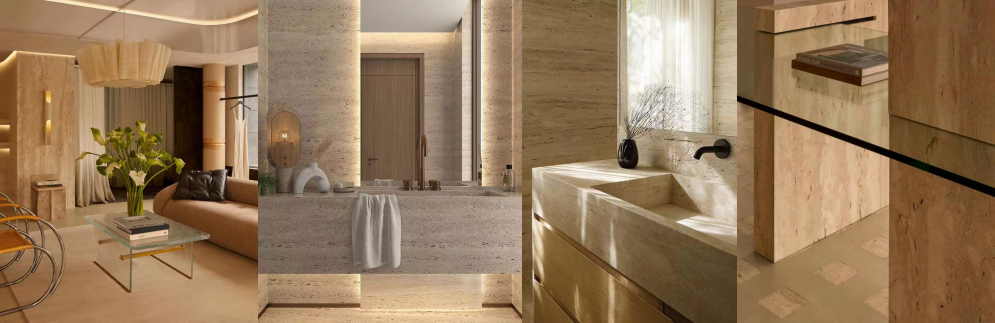
Travertino Avorio Lastre embodies a timeless aesthetic, offering a sophisticated and warm foundation for luxurious interiors. This classic ivory travertine, characterized by its creamy hues and distinctive natural pits and veins, brings an air of understated elegance and serene beauty to any space. It addresses the growing demand among homeowners, interior designers, and architects for natural materials that convey both natural beauty and enduring quality. For those seeking to create serene, high-end environments, Travertino Avorio Lastre serves as an exceptional choice, whether for expansive travertine flooring, elegant travertine wall cladding, or refined travertine countertops . This guide provides a comprehensive exploration of Travertino Avorio Lastre, covering its geological characteristics, aesthetic appeal, available forms, application potential, and essential care information, positioning it as a premier choice for discerning design projects. We aim to answer key questions, such as "What are the benefits of travertine for flooring?" and "Where can I source high-quality ivory travertine slabs?", making it easier for you to envision and implement this exquisite natural stone in your next project.
Travertine is a form of limestone deposited by mineral springs, particularly hot springs. It is a microcrystalline stone formed from calcium carbonate, characterized by its porous nature and often fibrous or concentric patterns, formed by the precipitation of minerals from the spring water . Travertino Avorio, meaning "Ivory Travertine," is specifically valued for its soft, creamy, ivory to light beige coloration, often interspersed with subtle, wavy veins of slightly darker or lighter shades .
Type: Natural Stone (Limestone, specifically a type of Travertine)
Origin: Primarily quarried in Italy (regions like Tivoli, Bagni di Tivoli), but also found in other locations globally with similar geological conditions. The Italian origins are often associated with the most classic and sought-after Travertino Avorio .
Composition: Predominantly calcium carbonate (calcite), with impurities that give it its characteristic color and texture. The formation process involves dissolved minerals precipitating out of water, creating its unique cellular or porous structure .
Coloration: Ranges from creamy ivory to light beige, sometimes with subtle undertones of gold or peach. Natural variations are expected, with veins and pits adding to its unique character.
Texture: Known for its characteristic pits and fissures, which are remnants of gas bubbles or organic material trapped during formation. This texture gives travertine a distinctive, slightly uneven surface that can be enhanced or smoothed through different finishing processes.
Hardness (Mohs): Typically rated around 3-4 on the Mohs scale. While softer than granite or quartzite, it is durable for interior applications when properly finished and sealed .
Density: Generally around 2.4-2.7 g/cm³, making it moderately dense.
Porosity: Travertine is naturally porous due to its distinctive pits and fissures. This necessitates proper sealing to prevent staining and moisture absorption, especially in applications like countertops or frequently used floors .
Travertino Avorio Lastre, meaning "Ivory Travertine Slabs," signifies that this material is primarily available in larger slab formats, suitable for extensive applications like countertops, feature walls, and flooring where continuity of pattern is desired.
Standard Slab Dimensions: Typical large slab sizes generally range from approximately 240cm to 320cm in length and 120cm to 180cm in width . These generous dimensions allow for fewer seams in large installations.
Common Thicknesses: Slabs are commonly available in thicknesses of 2cm (¾ inch) and 3cm (1 ¼ inch). Thicker slabs may be available for special projects or structural applications. The choice of thickness often depends on the intended application – 2cm is standard for most wall and floor applications, while 3cm is often preferred for countertops requiring extra robustness .
While available as large slabs (Lastre), Travertino Avorio is also widely processed into tiles for more flexible applications, particularly for flooring and wall finishes.
Popular Tile Dimensions: Common tile sizes include:
Squares: 12"x12" (30x30cm), 18"x18" (45x45cm), 24"x24" (60x60cm).
Rectangles: 12"x24" (30x60cm), 18"x24" (45x60cm), 18"x36" (45x90cm).
Other Formats: Smaller mosaic patterns (e.g., 2"x2" or penny rounds), subway tiles (e.g., 4"x12"), and custom sizes can often be produced.
Thickness: Tiles are typically available in thicknesses ranging from 1cm (⅜ inch) to 2cm (¾ inch), depending on the tile size and intended use. Thicker tiles offer greater durability for high-traffic areas.
The finish applied to Travertino Avorio significantly impacts its appearance, texture, and suitability for different applications. The natural pits and voids are a characteristic feature that can be either emphasized or filled during processing.
Honed: This is perhaps the most popular finish for Travertino Avorio. The surface is smoothed to a matte, non-reflective finish. The natural pits and voids remain visible, giving the stone a soft, velvety texture and an elegant, understated look. It's less slippery than polished stone and ideal for floors and walls .
Polished: The surface is polished to a high gloss, creating a reflective finish that enhances the stone's natural color and veining. This finish provides a luxurious, sophisticated look but can be more slippery and may highlight imperfections or fill lines if the pits are filled. It’s often used for accent walls or less trafficked floor areas .
Tumbled: This finish involves tumbling the stone pieces, which softens the edges and further enhances the pitted, aged, or "antique" appearance. It creates a very rustic and tactile surface, perfect for achieving a historical or weathered look .
Brushed/Leathered: The surface is brushed with wire or abrasive tools to create a textured, slightly irregular finish. This technique enhances the stone's natural feel and can help mask minor imperfections, offering a soft, tactile surface that is less slippery than polished stone .
Filled vs. Unfilled: Travertine can be supplied either unfilled (preserving the natural texture and voids) or filled. Filling is usually done with a cementitious or epoxy resin filler that matches the stone's color. Filled travertine provides a smoother, less porous surface, making it more practical for kitchen countertops and easier to clean, while unfilled travertine emphasizes the natural, textured character .
Travertino Avorio Lastre is a well-established and widely available natural stone. HRCSTONE, along with many other reputable stone suppliers and fabricators, typically maintains stock of this popular material.
Availability: Generally considered readily available from major international quarries and suppliers, particularly those specializing in Italian or Mediterranean stones.
Grading: Travertine is often graded based on quality, consistency of color, number and size of voids, and the finishing process. Higher grades (e.g., select or premium) will command higher prices and have more uniform appearance.
Lead Times: Standard slab and tile orders are usually fulfilled within a few weeks. Custom orders or very large quantities may require longer lead times due to quarrying or production schedules. It is always best to confirm current stock levels and expected delivery times with your supplier.
Proper packing is essential to protect the natural stone during transit, especially slabs and tiles which can be susceptible to chipping or breakage.
Slabs: Large slabs are typically packed in strong wooden crates, with protective materials like foam or cardboard placed between slabs to prevent friction and impact damage. They are secured within the crate to prevent shifting.
Tiles: Tiles are usually packed in sturdy cardboard boxes, often with layers of foam or cardboard separators. Boxes are then palletized and shrink-wrapped for stability and protection during shipping.
Edge Protection: Special attention is often paid to protecting the edges and corners of slabs and tiles, as these are the most vulnerable points.
The shipping process for Travertino Avorio Lastre involves careful logistics to ensure the material arrives safely at its destination.
Methods: For large quantities (slabs or significant tile orders), shipping is typically via ocean freight (containerized) for international transport, or by truck (LTL or FTL) for domestic delivery. Smaller orders might be shipped via express courier services.
Origin: Shipping typically originates from the supplier's warehouse or directly from the port of export, often near major quarrying or processing hubs in Italy, Turkey, or China.
Transit Times: Ocean freight can take 4-8 weeks for international transit, while trucking typically takes 1-2 weeks domestically. Express couriers are faster but more costly.
Costs: Shipping costs are influenced by weight, volume, distance, mode of transport, and any customs duties or taxes. It is crucial to obtain detailed shipping quotes.
Insurance: Shipping insurance is highly recommended to cover potential damage during transit.
Payment terms for natural stone like Travertino Avorio Lastre can vary depending on the supplier and the transaction type (retail vs. wholesale).
Accepted Methods: Common payment methods include major credit cards (Visa, MasterCard, Amex), bank transfers (T/T), wire transfers, and sometimes company checks for established accounts.
Payment Terms:
Retail: Full payment is usually required at the time of purchase.
Wholesale/Large Orders: Terms often involve a deposit (e.g., 30-50%) upon order confirmation, with the remaining balance due before shipment or upon delivery, as agreed upon in the contract.
Inclusions: Always clarify whether quotes include taxes, shipping, customs duties, and installation fees, as these can significantly impact the total project cost.
Travertino Avorio Lastre is a versatile stone celebrated for its ability to bring warmth, light, and a touch of classic luxury to a wide range of design applications.
Travertine's unique formation process results in its characteristic pitted texture. This porosity is a key feature that requires consideration during selection and installation:
The Pits: These natural voids can be left unfilled for a more rustic, authentic look, or filled with a contrasting or color-matched resin or grout for a smoother surface. Unfilled travertine offers a more tactile experience, while filled travertine is generally easier to clean and maintain, making it more suitable for high-use areas like kitchen countertops .
Veining: Travertino Avorio often exhibits subtle, linear, or wavy veining, which adds depth and movement to the stone's surface. The direction and intensity of veining can vary, impacting the overall aesthetic.
The availability of both slabs and tiles provides immense design flexibility:
Slabs (Lastre): Ideal for creating seamless surfaces such as kitchen countertops, bathroom vanities, large shower walls, and statement flooring where a continuous look is desired. The use of book-matched slabs can create dramatic, mirror-image patterns for feature walls or fireplace surrounds .
Tiles: Versatile for floors, walls, backsplashes, and decorative accents. Available in various sizes and patterns (e.g., Versailles pattern, simple grids), tiles offer greater design freedom for smaller areas or where intricate patterns are desired.
The chosen finish dramatically alters the stone's appearance and feel:
Honed Finish: Preferred for its matte, non-reflective surface, which is less prone to showing fingerprints or minor scratches compared to polished finishes. It offers a sophisticated, soft look and better slip resistance, making it ideal for floors and high-traffic areas .
Polished Finish: Provides a luxurious, high-gloss surface that reflects light and accentuates the stone's color and veining. While visually stunning, it can be more slippery and may require more diligent maintenance to keep pristine, especially in kitchens or bathrooms .
Tumbled Finish: Creates an antique, weathered look by softening edges and enhancing the natural texture. This finish is perfect for rustic, traditional, or Mediterranean-inspired designs, offering a highly tactile and visually rich surface .
Brushed/Leathered Finish: This textured finish offers a soft, slightly irregular surface that is less slippery than polished and can add depth and character. It maintains a natural feel while providing a practical, durable surface.
Travertino Avorio Lastre seamlessly integrates into various design aesthetics:
Timeless Elegance: Its classic ivory tones and natural veining lend themselves to traditional and elegant interior designs. It works beautifully in formal living rooms, dining rooms, and grand foyers .
Modern Classic / Transitional: The neutral, warm color palette makes it adaptable to modern classic interiors, balancing contemporary clean lines with traditional material warmth. It's a popular choice for creating a serene atmosphere in bedrooms and living spaces .
Mediterranean & Tuscan Styles: The natural texture and warm hues evoke the charm of Mediterranean and Tuscan villas, making it ideal for kitchens, bathrooms, and outdoor living spaces (in appropriate climates) with this theme .
Minimalist & Serene: Its soft color and subtle variations can contribute to minimalist designs, creating a sense of calm and spaciousness, particularly in bathrooms and spa-like environments.
Commercial Luxury: Frequently used in high-end hotels, spas, and corporate lobbies for flooring, wall cladding, and reception desks, where it imparts a sense of understated luxury and durability .
Proper care is essential to preserve the beauty and longevity of Travertino Avorio Lastre:
Sealing: Due to its natural porosity, Travertino Avorio must be sealed regularly. Use a high-quality penetrating sealer specifically designed for natural stone. This helps protect against staining from spills (especially acidic liquids like wine, coffee, or citrus) and reduces moisture absorption . Sealing frequency depends on usage, typically every 6-12 months for high-traffic areas like kitchens and bathrooms.
Daily Cleaning: Clean spills immediately. For routine cleaning, use a soft cloth or mop with warm water and a pH-neutral stone cleaner. Avoid acidic or abrasive cleaners (like vinegar, lemon juice, or harsh scouring pads) as they can etch the stone or damage the sealant .
Protection: Use coasters for beverages and trivets for hot dishes to prevent stains and potential thermal shock, especially on polished surfaces.
Filling Pits (Optional): For applications like kitchen countertops or heavily used floors, consider using filled and honed travertine. If using unfilled travertine, be aware that the pits can trap dirt or liquids, requiring more thorough cleaning.
Travertino Avorio offers a distinct aesthetic and set of properties compared to other popular natural stones.
| Feature | Travertino Avorio Lastre | Carrara Marble | Calacatta Marble | Classic Travertine (e.g., darker) | Limestone (General) | Granite |
|---|---|---|---|---|---|---|
| Color Palette | Creamy ivory, light beige, subtle warm veins. | White/light grey with soft grey veining. | White/creamy with bold grey/gold veining. | Richer beige, brown, or nutty tones, often with more pronounced veining. | Wide range, from pale cream to darker grey/brown, often with fossils/shells. | Vast range; white, black, grey, red, blue, green, pink, brown, with diverse patterns. |
| Texture | Distinctive natural pits and fissures (can be filled or unfilled). | Smooth, fine-grained, classic veining. | Smooth, fine-grained, dramatic veining. | Similar to Avorio but can be more textured or filled. | Can be porous, sometimes with visible fossils or shell fragments. | Dense, crystalline, generally consistent. |
| Hardness (Mohs) | 3-4 | 3-4 | 3-4 | 3-4 | 3-4 | 6-7 |
| Porosity | Moderate to High (requires thorough sealing). | High (requires diligent sealing and care). | High (requires diligent sealing and care). | Moderate to High (requires thorough sealing). | Moderate to High (requires thorough sealing). | Low |
| Durability | Good for interiors; susceptible to etching/staining if not sealed properly. | Moderate; prone to etching, staining, and scratching. Best for low-traffic areas. | Moderate; similar to Carrara but veining can be more porous. | Good for interiors; requires sealing. | Moderate; requires sealing, can etch and stain. | Very High; excellent resistance to heat, scratches, and stains. |
| Aesthetic | Warm, classic, elegant, serene, sophisticated. | Classic, timeless, subtle, elegant. | Luxurious, dramatic, high-end, statement-making. | Earthy, warm, traditional, rustic. | Natural, versatile, can be rustic or classic. | Diverse; modern, classic, bold, consistent. |
| Primary Use | Floors, walls, countertops, bathrooms, living areas. | Bathrooms, feature walls, less trafficked floors. | High-end feature walls, luxury countertops, statement pieces. | Floors, walls, rustic kitchens, fireplaces. | Floors, walls, hearths, often in traditional settings. | Kitchen countertops, flooring, high-traffic areas, exterior applications. |
| Maintenance | Requires regular sealing, careful cleaning. | High maintenance; frequent sealing, careful cleaning, avoid acids. | High maintenance; frequent sealing, careful cleaning, avoid acids. | Requires regular sealing, careful cleaning. | Requires regular sealing, careful cleaning. | Low maintenance; easy to clean, infrequent sealing needed. |
Yes, Travertino Avorio Lastre can be used for kitchen countertops, but it requires careful consideration and maintenance. Due to its natural porosity, it must be thoroughly sealed with a high-quality, food-grade penetrating sealer to prevent staining from common kitchen spills like wine, coffee, or acidic foods . Opting for a filled and honed finish will provide a smoother, less porous surface that is easier to clean and maintain . Regular sealing (every 6-12 months) is crucial for longevity.
Travertino Avorio is characterized by its distinctive natural pits and fissures, formed during its geological creation process from mineral-rich springs . These voids give the stone a unique, slightly uneven, and tactile texture. This texture can be either left unfilled to highlight its natural character or filled with a resin or grout for a smoother finish, depending on the desired aesthetic and application .
For cleaning Travertino Avorio floors, use a soft mop or cloth with warm water and a pH-neutral stone cleaner. Avoid acidic or abrasive cleaning products, as they can etch the stone or damage its sealant . It is essential to seal the travertine regularly, typically every 6-12 months for floors, to protect against stains and moisture. Promptly clean up any spills to prevent them from penetrating the stone .
While both are natural stones used in luxury interiors, Travertino Avorio is a type of travertine (a form of limestone), distinguished by its porous, pitted texture and warm, creamy ivory color. Marble, on the other hand, is a metamorphic rock known for its fine grain, softer veining (often grey on white), and typically polished, non-porous surface . Travertine is generally slightly more durable for floors than marble due to its texture and formation, but both require diligent sealing and careful maintenance, especially against acidic substances .
Travertino Avorio is generally best suited for interior applications. While it can be used in covered outdoor areas like patios or porches if properly sealed and protected from the elements, its natural porosity and moderate hardness make it less ideal for environments with harsh weather conditions, significant freeze-thaw cycles, or direct, prolonged exposure to sunlight and moisture . For exterior use, stones like granite or quartzite are typically more resilient .
Travertino Avorio Lastre offers an unparalleled blend of timeless elegance, natural warmth, and refined beauty, making it a premier choice for sophisticated interior design projects. Its classic ivory tones, subtle veining, and characteristic texture bring a sense of serene luxury and understated opulence to floors, walls, countertops, and decorative elements. Whether employed in grand residential spaces or elegant commercial settings, this exquisite travertine stone provides an enduring aesthetic that transcends trends. Its versatility in finishes, from the soft matte of honed to the luxurious gloss of polished, allows it to adapt to diverse design visions. While requiring mindful sealing and care due to its natural characteristics, the enduring beauty and value it brings to a space make Travertino Avorio Lastre a wise and rewarding investment for those who appreciate the finest in natural stone.
Ready to infuse your space with the classic elegance of Travertino Avorio Lastre?
Explore the possibilities with HRCSTONE's collection. Contact our expert stone consultants today to discuss your project, view available slabs and tiles, and receive a personalized quote. Let us help you bring the timeless beauty of Travertino Avorio to your home or next architectural endeavor. Request a sample or schedule a consultation to begin your journey with this exceptional natural stone.
Contact: Jason Wu
Phone: +8613313887269
E-mail: jason@hrcstone.com
Whatsapp:+8613338485850
Add: Room 401-6, No.751, Fanghu Road, Huli District, Xiamen
We chat