jason@hrcstone.com
+8613338485850
Marble Countertop: The Definitive Guide to Timeless Luxury in Modern Architecture
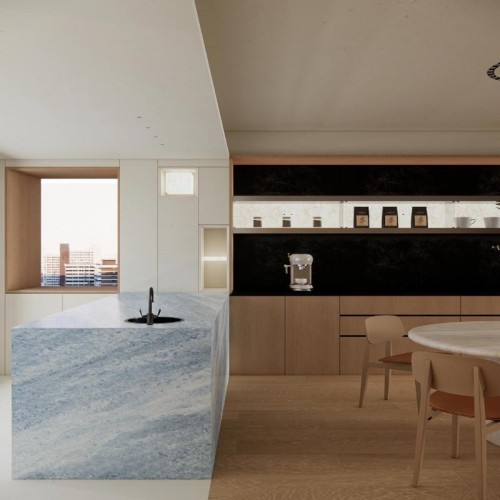
Marble has remained the gold standard of luxury surfaces for millennia. From the ancient pantheons of Rome to the high-end minimalist kitchens of Manhattan, a marble countertop is more than just a workspace—it is a piece of geological history. As a natural metamorphic rock, marble offers a unique "fingerprint" of veining that synthetic materials simply cannot replicate. For homeowners and designers seeking an organic connection to nature, marble provides a cool-to-the-touch elegance that elevates any interior project.
Marble is primarily composed of recrystallized carbonate minerals, most commonly calcite or dolomite. Its distinctive appearance—characterized by swirling veins and soft clouds of color—is the result of mineral impurities such as silt, sand, or iron oxides present during the limestone's metamorphosis.
In the realm of high-end design, the choice of marble often dictates the entire aesthetic of a room:
Bianco Carrara: The most iconic Italian marble, known for its soft gray background and delicate, feathery veining.
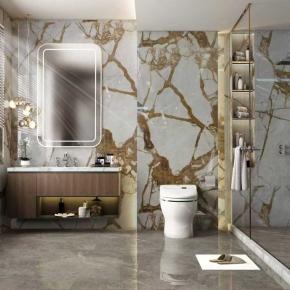
Calacatta & Statuario: These "luxury tiers" offer a brighter white field and bold, dramatic veining, often used for book-matched feature walls and waterfall islands.
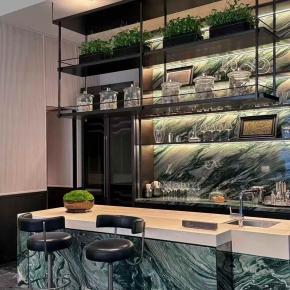
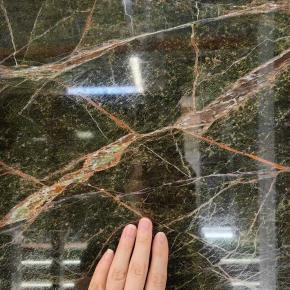
Specialty Colors: From the deep blacks of Nero Marquina to the earthy greens of Verde Alpi, marble offers a palette that suits both classical and avant-garde styles.
To ensure seamless installations, especially for oversized kitchen islands, understanding slab availability is critical.
Standard Slabs: Typically range from 120" x 70" (approx. 3000mm x 1800mm).
Jumbo Slabs: Available in select varieties for expansive architectural features, reaching up to 135" x 80".
Thickness Options:
2cm (3/4"): Preferred for bathroom vanities and wall cladding.
3cm (1 1/4"): The industry standard for kitchen countertops, providing superior strength and a more substantial profile.
While slabs dominate the countertop market, matching marble tiles are essential for backsplashes and flooring to create a cohesive look.
Square Formats: 12"x12", 18"x18", 24"x24".
Rectangular/Plank Formats: 12"x24", 18"x36".
Mosaic Patterns: Hexagon, Herringbone, and Penny-round tiles are frequently used for shower pans and accent strips.
The finish of a marble countertop significantly impacts its performance and visual "vibe."
Polished Finish: The classic high-gloss look that enhances the stone's color and veining. It is the least porous but most susceptible to showing "etching" (dull spots from acids).
Honed Finish: A smooth, matte surface that is currently the top trend in luxury design. It hides scratches and etching much better than polished surfaces.
Leathered Finish: A textured surface that feels soft to the touch. It provides a rustic yet sophisticated look and hides fingerprints effectively.
Maintaining a consistent supply of premium blocks is vital for large-scale commercial and residential projects.
Live Inventory: We maintain a rotating stock of over 500+ premium slabs in various grades (Standard, Premium, and Extra).
Block Selection: Clients can request photos of specific blocks to ensure the veining density meets their design vision.
Natural stone is fragile and requires specialized handling to prevent cracking during transit.
Slabs: Secured in heavy-duty, heat-treated (IPPC) wooden A-frames.
Tiles: Packed in styrofoam boxes or reinforced cardboard before being placed in seaworthy wooden crates.
Protection: Each slab is separated by a plastic film to prevent surface abrasion.
We facilitate global distribution with a focus on timely delivery and risk mitigation.
Port of Loading: Primarily Xiamen Port (the world’s stone hub).
Lead Times: Standard stock items ship within 7–14 days. Custom fabrication takes 3–5 weeks depending on complexity.
Tracking: Real-time container tracking is provided for all international shipments.
Standard Terms: 30% T/T deposit, with the 70% balance settled against the Bill of Lading (B/L) copy.
Letters of Credit: L/C at sight is accepted for large-scale government or commercial contracts.
Marble is a versatile material, but its application should be strategic:
Kitchen Island: The "hero" of the home. Use a 3cm slab with a waterfall edge for maximum impact.
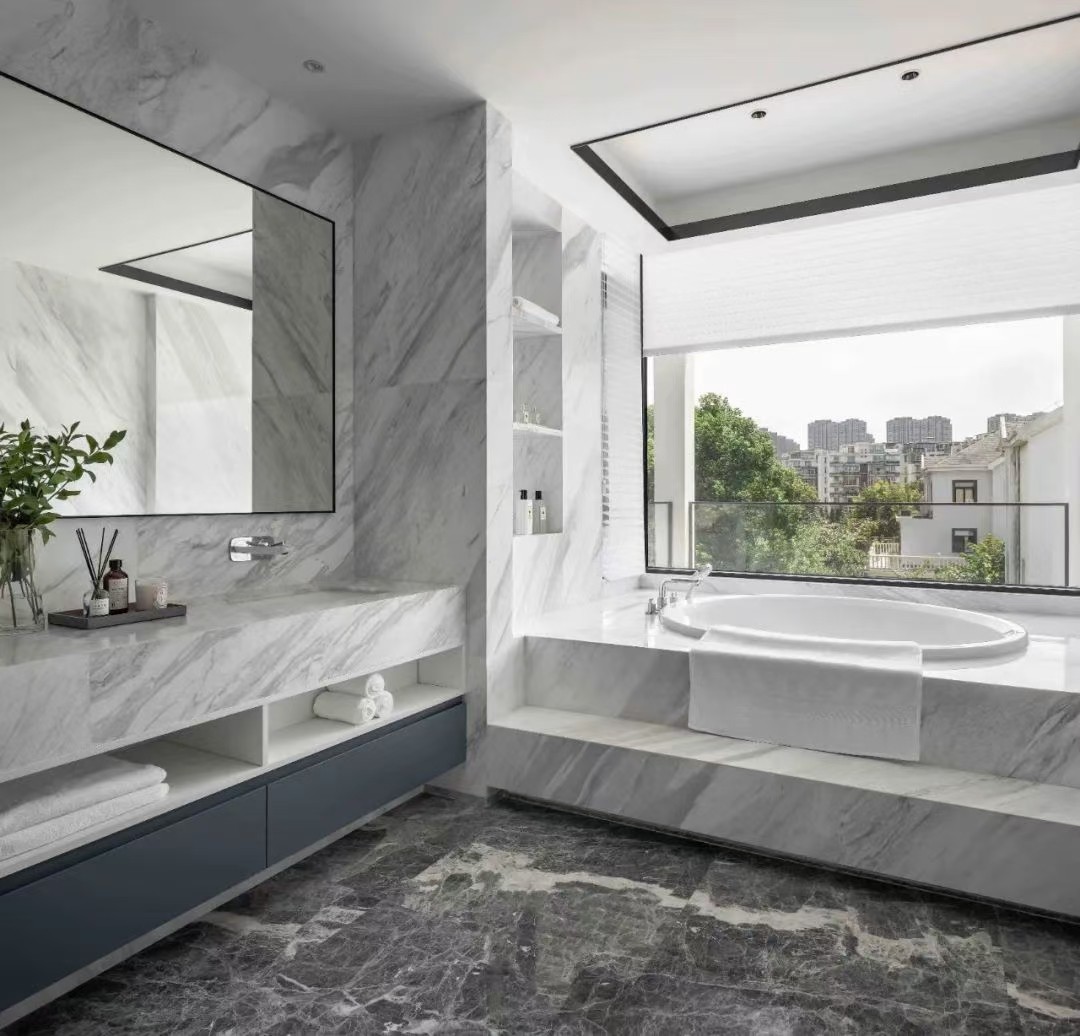
Bathroom Vanities: Ideal for marble, as it faces less exposure to acidic foods.
Fireplace Surrounds: Marble's heat resistance makes it a safe and stunning choice for hearths.
Baking Stations: Professional chefs prefer marble because its natural coolness prevents butter from melting while rolling pastry.
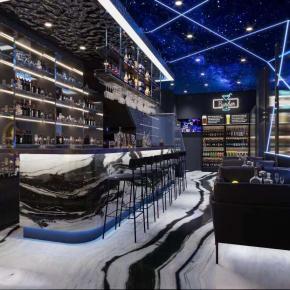
Bold Veining: Moving away from subtle grays to high-contrast blacks and golds.
Fluted Edges: Intricate vertical ribbing on the apron of the countertop.
Integrated Sinks: Fabricating the sink out of the same marble slab for a monolithic, seamless look.
Reinforcement: For fragile marbles, we use "mesh-back" reinforcement and carbon fiber rods in high-stress areas (like sink cutouts).
Sealing: All countertops must be treated with a high-grade oleophobic sealer before installation.
Marble is a "living" material that develops a patina over time. To keep it pristine:
Daily Cleaning: Use only pH-neutral cleaners. Avoid vinegar, lemon juice, or bleach.
Etch Protection: Use cutting boards and coasters. Marble is sensitive to acid.
Re-sealing: Depending on usage, re-seal your marble every 6 to 12 months.
1. Does marble stain easily compared to quartz?
Marble is more porous than man-made quartz, meaning it can stain if liquids like red wine or coffee are left to sit. However, with modern high-quality sealers, you have a significant window to wipe up spills before they penetrate the stone.
2. What is "etching" and can it be fixed?
Etching is a chemical reaction that occurs when acid (like lemon juice) touches the calcium carbonate in the marble, creating a dull spot. While it can be annoying, it can usually be buffed out by a professional or disguised by choosing a honed finish.
3. Is marble too fragile for a busy family kitchen?
Not necessarily. Many European kitchens have used marble for centuries. While it may scratch or etch, many homeowners appreciate the "patina" it develops, which tells the story of the home.
4. How much does a custom marble countertop cost?
Prices vary based on rarity. Carrara is relatively affordable, while Calacatta Borghini can be significantly more expensive. Total cost usually includes material, templating, fabrication, and installation.
5. Can I use marble for outdoor kitchens?
Yes, marble is a natural stone and handles UV rays better than quartz (which can yellow). However, outdoor marble will weather and matte faster due to rain and environmental acidity.
Choosing a marble countertop is an investment in both the aesthetic beauty and the financial value of your property. While it requires more mindfulness than synthetic alternatives, its incomparable depth, cool temperature, and unique veining make it the preferred choice for those who refuse to compromise on authenticity. Whether you are designing a sleek modern kitchen or a timeless master bath, marble remains the ultimate expression of luxury.
Contact: Jason Wu
Phone: +8613313887269
E-mail: jason@hrcstone.com
Whatsapp:+8613338485850
Add: Room 401-6, No.751, Fanghu Road, Huli District, Xiamen
We chat