jason@hrcstone.com
+8613338485850
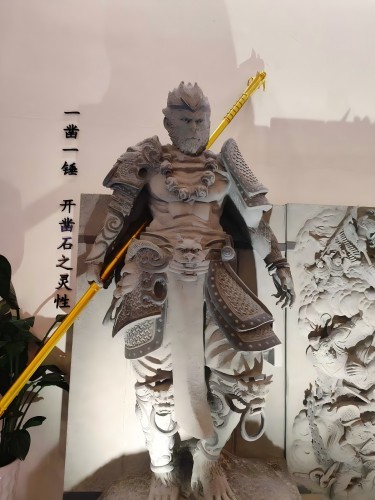
Granite statues are more than decorative objects; they are enduring statements of art, heritage, and personal expression. Carved from one of Earth's hardest natural stones, a granite statue possesses a unique combination of monumental durability and subtle, natural beauty. Whether gracing a garden, anchoring a public plaza, or serving as a solemn memorial, granite offers an unmatched legacy. This comprehensive guide explores everything from selecting the perfect stone and understanding modern design trends to essential care and installation insights for homeowners, designers, and contractors.
Choosing the right granite is the first critical step. Granite is an igneous rock composed primarily of quartz, feldspar, and mica, giving it exceptional hardness and a granular, speckled appearance. Its density makes it highly resistant to weathering, scratching, and staining, which is why it has been used for millennia in iconic monuments.
| Color Type | Characteristics | Best For | 2026 Trend Note |
|---|---|---|---|
| Classic Black (Absolute Black, Nero) | Solid, deep black; offers dramatic contrast and a modern, sleek look. | Contemporary sculptures, minimalist forms, memorials. | Remains a timeless choice for elegance. |
| Warm Neutrals & Whites | Shades like Giallo Ornamental, Kashmir White; feature soft veining. | Figurative art, garden statues, residential features. | Mirrors 2026's trend toward warm, organic tones. |
| Dramatic Multicolor | Blue Pearl, Ubatuba; contains flecks of various minerals for movement. | Statement pieces, abstract art, focal points. | Layered textures and character are key. |
| Traditional Grey | Baltic Brown, Steel Grey; versatile and understated. | Traditional sculptures, architectural elements. | A reliable, versatile background. |
When selecting a slab, inspect it for consistent color and desired veining pattern. Avoid pieces with significant cracks or fissures that could compromise structural integrity during carving.
Granite statues are highly customizable. Standard slab sizes from quarries typically range, but for statues, blocks are sourced based on the project's scale.
Block Sourcing: Statues are carved from solid blocks, not slabs. Sizes are project-specific, from small garden pieces (< 1m³) to monumental works (> 3m³).
Standard Finishes:
Polished: A glossy, reflective surface that highlights the stone's color and crystal structure. Ideal for indoor or formal pieces.
Honed/Matte: A smooth, non-reflective finish with a soft, contemporary feel. Less slippery and shows fewer fingerprints.
Flamed/Bush-Hammered: A textured, rough surface created by thermal or mechanical shock. Provides excellent slip resistance and a rustic, natural appearance, perfect for outdoor gardens.
Sandblasted: A uniformly rough texture, often used for lettering or creating contrast on a monument.
Stock Information: While some common granite types (like G603 Grey) may be kept in stock for standard items, most artistic or custom statues are made-to-order. Lead times vary significantly based on complexity.
Packing Details: Statues are meticulously packed in custom-built wooden crates with foam or polystyrene inserts to prevent movement and shock during transit. Fragile parts (like extended limbs) may be individually braced.
Shipping Details: Transported via sea freight for large pieces or air freight for smaller, urgent orders. Professional installation is highly recommended for pieces over 50 kg.
Payment Details:
A deposit (typically 30-50%) is required to commence work upon design confirmation.
Balance is due before shipment or upon completion before delivery.
Common payment methods: Bank Transfer (T/T), Letter of Credit (L/C).
Granite's versatility allows it to shine in countless applications, from sacred spaces to modern landscapes.
| Application | Design Considerations | Trend Insight |
|---|---|---|
| Memorials & Headstones | Focus on legibility, dignity, and longevity. Polished finishes with laser or hand-carved inscriptions are common. | Movement towards simpler, cleaner lines and integrated natural elements. |
| Garden & Landscape Statues | Must withstand freeze-thaw cycles. Flamed or bush-hammered finishes provide grip and a natural look. Subjects include animals, abstract forms, and deities. | Organic, flowing forms that complement natural gardens. Warm, earthy granite tones are rising in popularity. |
| Architectural & Public Art | Large-scale works require engineering for load and wind resistance. Often involves collaboration between artist, architect, and engineer. | Interactive and textured pieces that invite touch, using the stone's natural tactility. |
| Indoor Sculptures | Allows for more delicate details and polished finishes. Used as focal points in lobbies, homes, and galleries. | Smaller, table-top abstract sculptures that serve as functional art (e.g., bookends, bases). |
The Craftsmanship Process: Creating a granite statue is a blend of ancient skill and modern technology. It begins with quarrying massive blocks. Artists then create a maquette (small model) before skilled carvers use a combination of diamond-tipped tools, CNC machines for rough shaping, and meticulous hand-carving for fine details. The final steps involve finishing the surface and applying any protective sealants.
While incredibly durable, granite statues benefit from proper care to maintain their beauty for generations.
Regular Cleaning: Use a soft brush or cloth with mild dish soap and water. For engraved areas, a soft-bristled toothbrush can be effective. Always rinse thoroughly to prevent soap residue.
What to Avoid: Never use harsh chemicals, acidic cleaners (vinegar, lemon juice), or abrasive pads, as they can etch or dull the surface. Pressure washers can be used cautiously on textured finishes but kept away from polished surfaces and delicate details.
Preventative Care: In climates with severe winters, consider covering statues or applying a breathable, penetrating sealer designed for granite every few years to minimize water absorption and potential frost damage.
Addressing Stains: For organic stains (algae, lichen), a poultice made from baking soda and water can be applied. For oil-based stains, a specialized stone poultice is recommended.
Granite vs. Other Materials: Compared to marble, granite is far less porous and more resistant to acid etching, making it superior for outdoor use . Compared to bronze, granite requires less maintenance (no patina management) and offers a different, more grounded aesthetic. Its primary advantage is its unparalleled lifespan and weather resistance.
Contact: Jason Wu
Phone: +8613313887269
E-mail: jason@hrcstone.com
Whatsapp:+8613338485850
Add: Room 401-6, No.751, Fanghu Road, Huli District, Xiamen
We chat