jason@hrcstone.com
+8613338485850
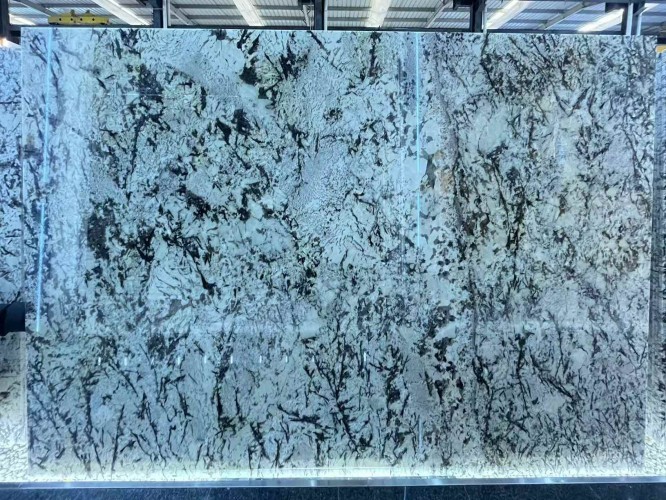
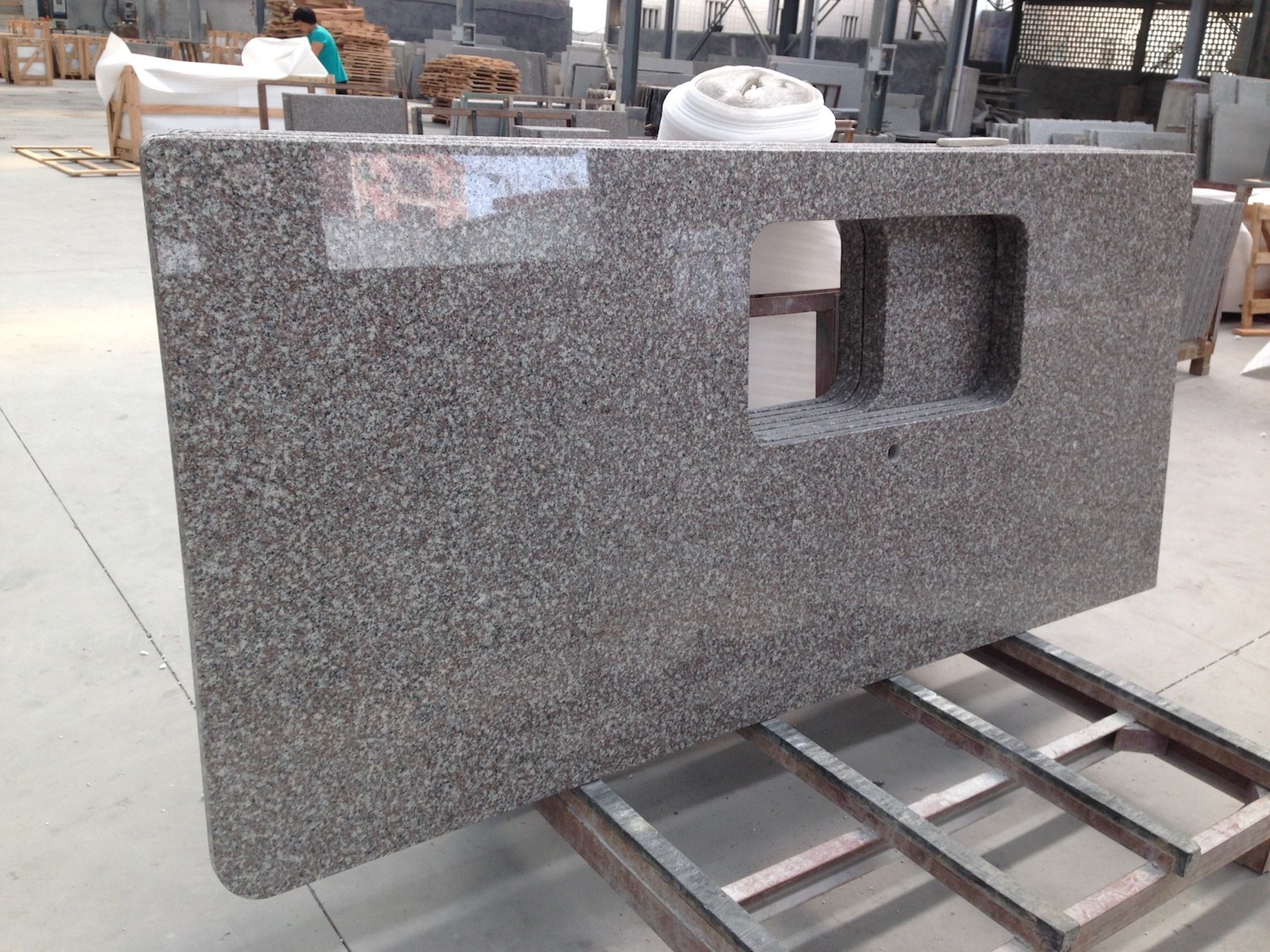 Embarking on a kitchen renovation or designing a dream home involves countless decisions, each aimed at creating a space that is both functional and breathtakingly beautiful. Among the most impactful design choices is the selection of your countertop material. While granite has long been a celebrated choice for its durability, elegance, and natural appeal, a revolutionary trend is now illuminating kitchens worldwide: backlit granite kitchen tops. This innovative application of natural stone transforms ordinary countertops into captivating focal points, casting a warm, inviting glow that redefines luxury and ambiance.
At HRCSTONE, we understand the desire to create unique, high-impact spaces. Our curated selection of glowing granite countertops offers an unparalleled opportunity to infuse your kitchen with a sophisticated, modern aesthetic. Unlike traditional countertops that merely serve a utilitarian purpose, backlit granite allows light to permeate through its unique crystalline structure, revealing intricate patterns and rich veining in a way that has never been possible before. Imagine the mesmerizing interplay of light and stone, transforming your kitchen island or backsplash into a piece of art that shines, day and night.
This comprehensive guide will delve deep into the world of backlit granite, exploring its aesthetic possibilities, practical considerations, and the myriad of benefits it brings to modern home design. Whether you are a homeowner seeking inspiration, an interior designer aiming to impress, or an architect pushing design boundaries, understanding the nuances of translucent granite kitchen ideas is key to unlocking your kitchen's full potential. From the selection of the perfect slab to the technical aspects of installation and care, we've got you covered. Prepare to be inspired as we illuminate the path to your most stunning kitchen yet.
Backlit granite is not a separate species of granite, but rather a select grade of granite that possesses a higher degree of translucency, allowing light to pass through it. This characteristic is not universally present in all granite slabs. The geological formation of granite, a plutonic igneous rock composed primarily of quartz, feldspar, and mica, results in a crystalline structure. In certain rare and exotic granite varieties, the interlocking crystals and mineral composition create pathways for light to travel through, especially when the slab is thinner and illuminated from behind.
The key lies in the stone's mineral composition and its internal structure.
Mineral Content: Varieties rich in feldspar and quartz, with less opaque mineral inclusions, tend to be more translucent. The crystalline nature of these minerals allows light to refract and pass through.
Slab Thickness: The thinner the slab, the more easily light can penetrate. Professional fabrication is crucial to achieve the optimal thickness without compromising structural integrity. Typically, slabs for backlighting are cut to around 2-3 cm (¾ to 1 ¼ inches).
Veining and Pattern: The intricate patterns and veins within the granite play a crucial role in how light is diffused. Some veins might appear brighter, while others might absorb light, creating a dynamic, multi-dimensional luminous effect.
Color Variations: While many colors can exhibit backlighting properties, lighter-colored granites, whites, creams, and subtle grays, often with intricate veining, tend to show the most dramatic effect. Exotic colors with unique mineral compositions are frequently sought after for their stunning translucent qualities.
While "backlit granite" is a descriptive term for the application, the stones themselves are often exotic and rare varieties. Some commonly sought-after types include:
White Ice Granite: Known for its ethereal white base with delicate gray and black veining, offering a soft, diffused glow.
River White Granite: Features flowing patterns resembling rivers, which become beautifully highlighted when backlit.
White Galaxy Granite: A striking white stone with crystal-like flecks that sparkle and glow intensely.
Blue Bahia Granite: A rare and luxurious granite with deep blues, whites, and gold, creating a dramatic, oceanic effect when illuminated.
Crema Marfil (though often classified as Marble, similar translucent stones are used): While technically a marble, its creamy tones and porous structure allow for beautiful backlighting, often used in conjunction with granite for a cohesive look. (It's important to note the distinction between granite and marble for durability in a kitchen setting).
Exotic Quartzites: Many quartzites, which are technically different from granite but share similar durability, are highly translucent and often used for backlit applications due to their spectacular patterns. Examples include Super White Quartzite and White Macaubas.
Processing and Fabrication Considerations:
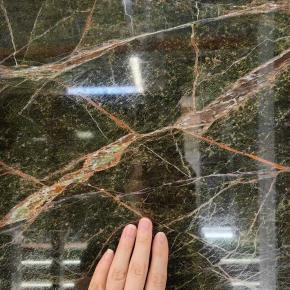
Slab Selection: It is paramount to select slabs in person, preferably with a light source behind them, to assess their translucency and pattern. Variations between blocks of the same granite type are common.
Cutting and Finishing: Precision is key. Slabs need to be cut to a uniform, optimized thickness. Edges can be finished in various ways (e.g., eased, bullnose, ogee) and may also benefit from backlighting.
Support Structures: Due to the thinner profile required for optimal light diffusion, supporting structures are critical. Metal framing, reinforced plywood, or specialized support systems are often necessary to ensure the stability and longevity of the countertops.
Integration of Lighting: Professional installation of LED lighting strips is essential. This involves careful planning for heat dissipation, accessibility for maintenance, and ensuring even light distribution across the entire surface.
The availability of slab sizes for backlit granite is crucial for project planning and minimizing waste. Standard granite slabs typically range in size, but the specific dimensions can vary significantly based on the quarry, the specific stone type, and the fabricator's inventory. For backlit applications, precision in sizing and consistency is even more critical due to the thinning process.
Standard Slab Dimensions: Generally, granite slabs are quarried and cut to dimensions that are manageable for transport and fabrication. Common lengths can range from 100 to 130 inches (254 to 330 cm), and widths can range from 50 to 70 inches (127 to 178 cm).
Custom Sizing for Backlighting: While standard slab sizes are the starting point, fabricators often cut slabs down to more specific dimensions tailored to the kitchen design. For areas like kitchen islands, long countertops, or statement backsplashes, custom cuts ensure seamless integration and aesthetic continuity.
Thickness for Backlighting: As mentioned, for optimal translucency, slabs are typically processed to a thickness of around 2 cm (¾ inch) to 3 cm (1 ¼ inch). This is thinner than standard countertops (often 3 cm), requiring careful consideration of structural support.
Consolidated Slabs: For very large installations or specific design requirements, fabricators may join multiple smaller pieces or use specialized techniques to create larger, seamless-looking illuminated surfaces.
Importance of Site Measurement: Precise measurements of the kitchen space are non-negotiable. Fabricators will use these measurements to cut slabs accurately, accounting for seams, cutouts for sinks and cooktops, and edge profiles.
While backlit granite is most commonly seen in slab form for countertops and large surfaces, certain applications might consider granite tiles. However, the translucency required for effective backlighting is much harder to achieve consistently with standard granite tiles, which are typically much thinner and more uniformly opaque. If a backlit effect with tile-like pieces is desired, specialized, thicker-cut tiles or a mosaic of smaller, carefully selected translucent stone pieces might be used, though this is less common for full countertops.
Standard Tile Dimensions: Granite tiles come in a wide array of sizes, from small mosaics (e.g., 2x2 inches) to larger format tiles (e.g., 12x24 inches, 24x24 inches).
Translucency Challenges: Achieving a uniform and significant backlit effect with standard granite tiles is difficult. The thinness and inherent opacity of most tiles limit light penetration.
Specialized Applications: Backlit granite tiles might be considered for:
Accent areas: Small decorative panels or borders.
Backsplashes: Where a more diffused, atmospheric lighting effect is desired rather than a primary countertop illumination.
Artistic installations: Where small pieces of translucent granite are arranged to create patterns.
Considerations for Tiled Backlit Surfaces:
Grout Lines: Grout lines can interrupt the flow of light and create a less seamless appearance compared to full slabs.
Consistency: Ensuring consistent translucency and color across multiple tiles can be a significant challenge.
Lighting Placement: Even lighting distribution behind a tiled surface requires careful planning to avoid dark spots.
For most stunning backlit kitchen applications, especially countertops and islands, the use of full slabs is overwhelmingly preferred for its aesthetic continuity and superior luminous effect.
The surface finish of your backlit granite plays a vital role in both its aesthetic appeal and how it interacts with light. Different finishes can enhance or subtly alter the way the stone's natural beauty and translucency are perceived.
Polished Finish:
Description: This is the most common and popular finish for granite. It involves grinding and buffing the stone to a high-gloss, mirror-like surface.
Effect on Backlighting: A polished finish maximizes light reflection from the surface, making the colors appear more vibrant and the details sharper. It also enhances the stone's inherent translucency, allowing light to shine through with maximum clarity. It provides a luxurious, sleek look.
Suitability: Ideal for most backlit applications where a dramatic, high-end appearance is desired.
Honed Finish:
Description: A honed finish has a smooth, matte, or satin appearance. It's less reflective than polished, offering a softer, more understated look.
Effect on Backlighting: While still allowing light to pass through, a honed finish diffuses the light more softly. This can create a gentler, more ambient glow, reducing glare and offering a more subtle visual impact. It can emphasize the texture and depth of the stone.
Suitability: Excellent for those who prefer a less reflective, more natural feel, or for kitchens with a modern, minimalist aesthetic. It can also be more forgiving with minor surface scratches.
Leathered Finish:
Description: This textured finish mimics the feel and appearance of leather. It's achieved through a process of brushing the stone with specialized tools, leaving a surface with highs and lows and a soft sheen.
Effect on Backlighting: The textured surface of a leathered finish creates a unique interplay of light and shadow. The recesses catch less light, while the raised areas reflect more, leading to a highly dynamic and tactile illuminated effect. The translucency is still present but is expressed with a more rustic or organic feel.
Suitability: Perfect for adding depth, character, and a unique sensory experience to contemporary and rustic-chic kitchens. It’s also very practical, hiding fingerprints and minor imperfections well.
Brushed Finish:
Description: Similar to leathered but often results in a slightly more pronounced texture and a more uniform, yet still matte, appearance.
Effect on Backlighting: Like leathered, it offers a textural dimension to the illuminated stone, breaking up the uniformity of light for a more organic feel.
Suitability: Suited for modern designs seeking a subtle texture.
Considerations for Backlit Finishes:
Light Diffusion: Polished surfaces will reflect more light outwards, while honed and textured finishes will diffuse it more subtly. The choice depends on the desired mood and visual impact.
Maintenance: Polished finishes may show water spots or etching more readily, while honed and leathered finishes tend to be more forgiving in day-to-day use.
Visual Appeal: The finish should complement the overall kitchen design and the specific characteristics of the chosen granite. It's always recommended to view samples of the stone in both finished states, ideally with backlighting, before making a final decision.
Understanding the stock availability and the process of sourcing backlit granite is crucial for project timelines and budget management. As backlit granite often refers to select, exotic, and sometimes rare varieties, its availability can fluctuate.
Exotic & Limited Availability: Many granites suitable for backlighting are considered exotic or rare. This means they may not be readily available in large quantities at all times. They are often quarried in specific regions and in limited amounts.
Supplier Specialization: Not all stone suppliers carry a wide selection of granite suitable for backlighting. It’s advisable to work with reputable suppliers who specialize in exotic stones or have a dedicated inventory for backlit applications.
Importance of Viewing Slabs: Due to the unique nature of each slab and the critical factor of translucency, it is highly recommended to view and select your specific slabs in person. Online images can be deceptive. Visiting a showroom or fabrication facility allows you to assess the color, veining, pattern, and, most importantly, the light-transmitting qualities of the actual stones you are considering.
Lead Times: Sourcing specific backlit granite can involve longer lead times compared to more common materials. If a particular stone is not in stock locally, it may need to be imported, adding to the waiting period.
"Book Matching": For a seamless, symmetrical look across large surfaces like islands or long countertops, fabricators often "book match" slabs. This involves cutting a single block of stone into two slabs that are then opened like a book. This technique requires careful planning and availability of consecutive slabs from the same quarry block.
Inventory Management: Reputable suppliers will have clear inventory management systems and can provide accurate information on what is currently available, what is on order, and estimated delivery times.
Cost Variability: The rarity and exotic nature of these stones, coupled with the specialized fabrication required, mean that backlit granite can be a premium material, and pricing will reflect its unique qualities and availability.
Proper packing is essential to ensure that delicate, thinly cut backlit granite slabs arrive at their destination without damage. Given that these slabs are often thinner and potentially more fragile than standard granite, specialized packing methods are employed.
Crating:
Foam Padding: Placed between slabs to prevent scratching and absorb shock.
Cardboard or Plywood Sheets: Often used as interlayers for added protection and to distribute weight evenly.
Corner Protectors: Additional reinforcement is often applied to the edges and corners, which are the most vulnerable parts of the slab.
Material: Granite slabs are typically packed in sturdy wooden crates. These crates are designed to withstand the rigors of transportation, protecting the stone from impact, moisture, and shifting.
Internal Support: Inside the crate, each slab is usually separated by protective materials such as:
Securing the Slabs:
Strapping: Slabs are securely fastened within the crate using industrial-grade strapping or bracing to prevent movement during transit.
Vertical or Horizontal Placement: Depending on the slab thickness, size, and shipping method, slabs may be packed vertically or horizontally. Vertical packing is often preferred for thinner slabs to minimize flex.
Labeling:
Clear Identification: Crates are clearly labeled with the product name (e.g., "Backlit Granite Slab"), the specific stone type, quantity, origin, and handling instructions (e.g., "Fragile," "This Side Up").
Weight Information: The approximate weight of the crate is usually indicated for safe handling.
Containerization: For international or long-distance shipping, crates are typically loaded into shipping containers, further protecting them from the elements and ensuring consolidation with other goods.
Fabricator Responsibility: The fabricator or supplier is responsible for ensuring that the packing meets industry standards for safe transport. It is advisable to inspect the packaging upon arrival and document any signs of damage before signing for the delivery.
Shipping backlit granite requires careful coordination to ensure timely and safe delivery, whether it's from the supplier to the fabricator, or directly to a project site.
Transportation Methods:
Flatbed Trucks: Commonly used for local or regional deliveries of crated slabs.
Shipping Containers: For intercontinental or long-distance shipping, slabs are loaded into standard shipping containers (20ft or 40ft).
Specialized Logistics: For extremely large or heavy shipments, specialized logistics providers may be engaged.
Handling Precautions:
Lifting Equipment: Slabs and crates require appropriate lifting equipment such as forklifts, cranes, or specialized pallet jacks. Manual handling is generally not feasible or safe for full slabs.
Trained Personnel: It is crucial that personnel involved in loading, unloading, and transporting the stone are trained in handling heavy and fragile materials.
Securement: During transit, slabs must be properly secured within the transport vehicle to prevent shifting, which could lead to cracking or breakage.
Transit Insurance: Given the value and fragility of backlit granite, transit insurance is highly recommended. This protects against financial loss in case of damage or loss during shipping.
Delivery Coordination:
Site Accessibility: Ensure the delivery site is accessible for large trucks and lifting equipment.
Scheduling: Coordinate delivery dates and times in advance with the supplier and the receiving party.
Inspection: Plan for sufficient time upon delivery to inspect the crates for any external damage before accepting the shipment.
International Shipping: For international orders, factors like customs clearance, import duties, and freight forwarding need to be managed. Working with an experienced international stone supplier or logistics partner is crucial.
Clear and agreed-upon payment terms are fundamental to a smooth transaction when purchasing backlit granite. These terms typically vary between suppliers, fabricators, and direct clients, and often depend on the scale of the project and the buyer's relationship with the seller.
Typical Payment Structure:
Deposit: A significant deposit (often 30-50% of the total cost) is usually required upon confirmation of the order and selection of slabs. This secures the material and initiates the fabrication process.
Progress Payments: For larger projects, interim payments may be scheduled at specific milestones, such as after initial fabrication or templating.
Final Payment: The remaining balance is typically due upon completion of fabrication and before the shipping or installation of the countertops. In some cases, a small portion might be held until after installation is satisfactorily completed.
Accepted Payment Methods:
Bank Transfer (Wire Transfer): A common method, especially for larger sums and international transactions.
Company Checks: Accepted by many domestic suppliers and fabricators.
Credit Cards: Increasingly accepted, though often with a surcharge (typically 2-3%) to cover processing fees. This is more common for smaller deposits or direct-to-consumer sales.
ACH Payments: Electronic fund transfers directly from one bank account to another.
Contractual Agreements: All payment terms, schedules, and accepted methods should be clearly documented in a formal contract or purchase order agreement signed by both parties. This protects both the buyer and the seller.
Invoicing: Clear and itemized invoices should be provided for all payments, detailing the materials, services rendered, quantities, and costs.
Payment Terms for Different Parties:
Wholesale Buyers (e.g., Fabricators): May have more flexible payment terms based on established credit lines.
End Consumers (e.g., Homeowners): Often require upfront deposits and staged payments.
It is always advisable to discuss and confirm all payment details clearly with the supplier or fabricator before committing to an order.
Backlit granite, while stunning, is a natural stone with specific properties that dictate its best uses and care. Its unique luminous quality opens up a world of design possibilities, but understanding its application is key to ensuring both beauty and longevity.
Kitchen Countertops & Islands: The most popular use. A backlit granite island or countertop creates a dramatic focal point, adding warmth, luxury, and a unique ambiance to the heart of the home.
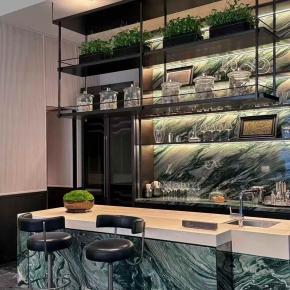
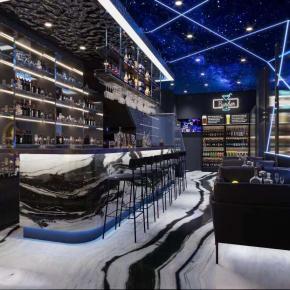
Bar Tops: A sophisticated addition to home bars or commercial establishments, providing an inviting glow for entertaining.
Reception Desks: In commercial settings, a backlit granite desk makes a powerful and elegant first impression.
Wall Cladding & Feature Walls: Used as a dramatic accent on walls, particularly behind sinks, stoves (with proper heat shielding), or as a decorative panel in living areas or entryways.
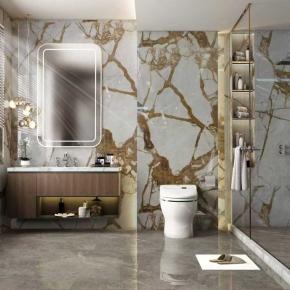
Shower Niches & Backsplashes: Adds a touch of spa-like luxury to bathrooms or a glowing accent behind kitchen sinks.
Fireplace Surrounds: Can create a warm, inviting glow around a fireplace, though careful consideration of heat and potential staining is required.
Coffee Tables & Furniture Accents: For high-end custom furniture pieces, backlit granite can be integrated as a tabletop or decorative element.
Durability: Granite is inherently durable, resistant to heat, scratches, and moisture when properly sealed. However, the thinner slabs used for backlighting may require more robust support structures.
Porosity & Sealing: Like all natural stones, granite is porous. Regular sealing (typically annually, depending on the sealant and usage) is crucial to prevent staining from liquids like wine, oil, and acidic substances.
Acidic Foods: While granite is more resistant than marble, prolonged contact with highly acidic foods (e.g., lemon juice, vinegar) can etch the surface, especially on polished finishes. Prompt cleanup is recommended.
Heat Resistance: Granite is heat-resistant, but placing extremely hot pots and pans directly on the surface is not advised, as it can cause thermal shock or discoloration over time. Using trivets is always recommended.
Lighting System: The lifespan and maintenance of the integrated lighting system (usually LEDs) are important. LEDs are energy-efficient and long-lasting, but access for repair or replacement should be considered during fabrication.
Professional Installation: Due to the specialized nature of cutting, handling, and integrating lighting, professional installation by experienced stone fabricators is essential.
Illuminated Kitchen Islands: The most sought-after application, turning the island into a luminous centerpiece.
Floating Vanities: Backlit granite can create a stunning "floating" effect in bathrooms.
Translucent Backsplashes: A dramatic alternative to traditional tile backsplashes, providing both task lighting and aesthetic appeal.
Juxtaposition with Darker Elements: The glow of backlit granite contrasts beautifully with dark cabinetry, creating a sophisticated and modern look.
Minimalist Design: Pairs well with clean lines and minimalist cabinetry, allowing the stone's natural beauty to take center stage.
Seamless Integration: Fabricators strive for seamless installation, minimizing visible seams and maximizing the continuous flow of light and pattern.
This section covers important miscellaneous details and considerations relevant to backlit granite kitchen tops.
Daily Cleaning: Use a soft cloth or sponge with warm water and a mild, pH-neutral dish soap. Avoid harsh chemicals or abrasive cleaners, as they can damage the sealant or the stone itself.
Rinsing and Drying: Always rinse the surface thoroughly with clean water after cleaning to remove any soap residue, and then dry the surface with a soft, lint-free cloth to prevent water spots.
Sealing: Re-seal your granite countertops regularly. A simple test is to sprinkle a little water on the surface; if it beads up, the sealant is effective. If it soaks in and darkens the stone, it's time to reseal. Typically, this is needed every 6-12 months, depending on usage and the quality of the sealant.
Stain Removal: For stubborn stains, use a poultice made from an absorbent material (like baking soda or diatomaceous earth) mixed with water or a specialized stone cleaner. Apply the paste to the stain, cover with plastic wrap, and let it sit for 24-48 hours. Remove, rinse, and dry.
Scratch Prevention: While granite is hard, avoid dragging heavy or abrasive objects across the surface. Use cutting boards for all chopping and slicing.
Heat Protection: Always use trivets or hot pads under hot pots, pans, and dishes.
Lighting Maintenance: Ensure the LED lighting system is installed by professionals who can provide guidance on its care and potential replacement. LEDs are very durable, but access panels or specific instructions might be necessary.
"Wow" Factor: Backlit granite is primarily chosen for its dramatic aesthetic appeal and the unique "wow" factor it brings to a kitchen.
Statement Islands: The kitchen island is the most common focal point for backlighting, creating a stunning visual centerpiece.
Modern & Luxury Aesthetics: This trend aligns perfectly with modern, minimalist, and luxury interior design styles, adding an element of sophistication and warmth.
Emphasis on Natural Beauty: It allows homeowners to showcase the intricate patterns and unique formations within exotic granite in a dynamic, illuminated way.
Integration with Smart Home Technology: Future trends may see integration with dimmable LED systems controlled via smart home platforms for customizable ambiance.
Natural Material: Granite is a natural, sustainable material. However, quarrying and transportation have environmental impacts. Sourcing from reputable suppliers with responsible quarrying practices is recommended.
LED Lighting: The use of energy-efficient LED lighting significantly reduces the energy consumption compared to older lighting technologies.
Material Warranty: Varies by supplier. Typically covers defects in the material itself (e.g., flaws not apparent upon inspection).
Fabrication & Installation Warranty: Reputable fabricators offer warranties on their workmanship, covering issues like improper seams, faulty cuts, or installation defects.
Lighting Warranty: The LED lighting system will usually come with its own manufacturer's warranty.
It is crucial to obtain and understand all warranty information in writing from your supplier and fabricator before proceeding with a purchase.
Q1: Is backlit granite durable enough for a kitchen countertop?
A1: Absolutely. Granite itself is one of the most durable natural stones, highly resistant to heat, scratches, and wear, making it an excellent choice for kitchen countertops. For backlit applications, the granite slabs are typically cut to a slightly thinner profile (around 2-3 cm) for optimal light transmission. This necessitates robust support structures during fabrication and installation to ensure long-term stability and prevent cracking. When professionally installed, backlit granite countertops offer both breathtaking beauty and lasting functionality.
Q2: How is the lighting integrated into backlit granite, and is it prone to damage?
A2: The lighting is typically integrated seamlessly behind the granite slab using energy-efficient LED light strips. These are installed by professional fabricators during the manufacturing process, often within a specialized framework or recess. While the stone itself is robust, the lighting system is designed for protection. LEDs are durable and have a long lifespan. However, like any integrated system, access for potential maintenance or replacement is considered during fabrication. Regular cleaning and avoiding direct impact on the underside of the illuminated areas are recommended.
Q3: What is the difference between backlit granite and other translucent stones like backlit quartzite or marble?
A3: While the term "backlit granite" is commonly used, many stunning translucent stones suitable for backlighting are technically quartzites or even specific types of marble. Granite is an igneous rock formed from molten magma, generally very hard and dense. Quartzite is a metamorphic rock formed from sandstone, known for its exceptional hardness and often high translucency. Marble is a metamorphic rock formed from limestone, typically softer and more prone to etching and staining than granite or quartzite, but can offer beautiful, soft translucency. The key factor for backlighting is the stone's inherent ability to transmit light due to its mineral composition and crystalline structure, regardless of its exact geological classification. For kitchen use, granite and quartzite are generally preferred over marble due to their superior durability and resistance to staining and etching.
Q4: How do I maintain and clean backlit granite countertops?
A4: Maintaining backlit granite is similar to caring for regular granite. Daily cleaning should be done with a soft cloth, warm water, and a mild, pH-neutral soap. Rinse thoroughly and dry to prevent water spots. It's crucial to seal the granite regularly (typically every 6-12 months) to protect it from stains, as its porosity can still allow liquids to penetrate if the sealant wears off. Avoid abrasive cleaners and harsh chemicals. For spills of acidic substances like lemon juice or wine, wipe them up immediately. Always use trivets under hot pots and pans.
Q5: Where can I see examples of backlit granite kitchen tops, and what is the typical cost?
A5: You can find examples of backlit granite kitchen tops in high-end kitchen showrooms, through stone fabrication companies that specialize in exotic materials, and extensively online via design blogs, Pinterest, and Houzz. Seeing the stone in person, ideally illuminated, is highly recommended as translucency and veining vary greatly. The cost of backlit granite kitchen tops is generally higher than standard granite due to the rarity of suitable slabs, the specialized fabrication process (thinning, edge work, lighting integration), and professional installation. Prices can range significantly based on the specific granite type, slab complexity, edge profile, and project scope, but they are considered a premium material for luxury kitchens.
Backlit granite kitchen tops represent a pinnacle of luxury and design innovation, transforming a functional space into a captivating display of natural artistry. By allowing light to permeate the stone's intricate veining and crystalline structure, these countertops create a warm, inviting ambiance and a dramatic focal point. This guide has explored the essential aspects, from understanding the unique properties of translucent granite and selecting the right slabs, to the technicalities of fabrication, installation, and ongoing maintenance. Whether you are a homeowner aiming for an unforgettable kitchen statement or a designer seeking to push creative boundaries, backlit granite offers an unparalleled opportunity to illuminate your space with elegance and distinction. Embrace the glow, and let your kitchen shine.
Contact: Jason Wu
Phone: +8613313887269
E-mail: jason@hrcstone.com
Whatsapp:+8613338485850
Add: Room 401-6, No.751, Fanghu Road, Huli District, Xiamen
We chat